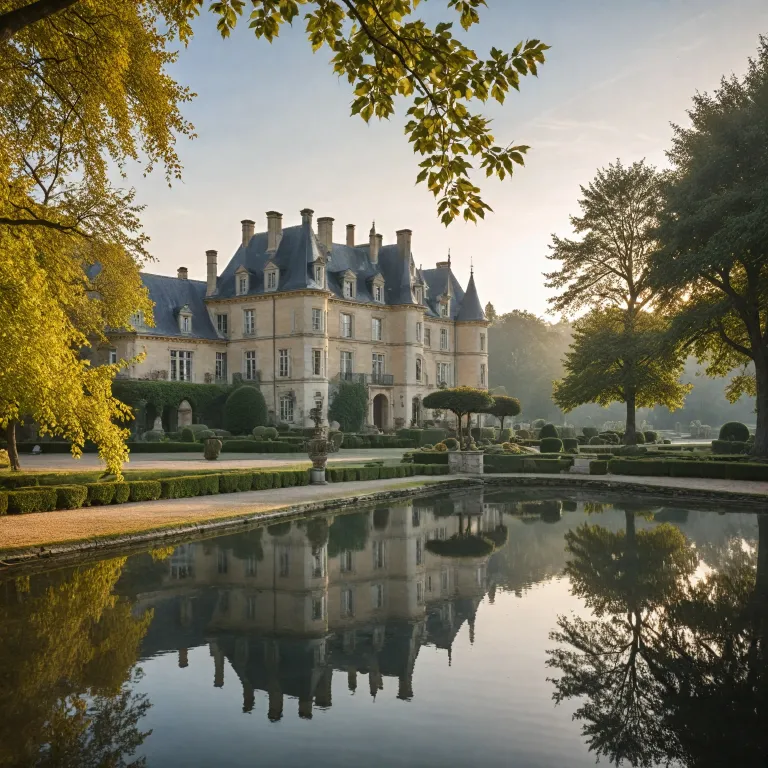
Understanding the allure of a bordeaux chateau stay
Choosing a bordeaux chateau as your base transforms a simple hotel booking into an immersion in wine culture. Within minutes of central Bordeaux, grand estates rise above vineyards where wine and history shape every view and every stay. Many châteaux now host visitors in premium hotel wings, combining heritage architecture with contemporary comfort.
Across the wider wine region, more than 5 000 châteaux and wineries operate among 95 000 hectares of vineyards, so selecting the right hotel can feel overwhelming. A refined bordeaux chateau stay often balances proximity to Bordeaux city with easy access to Médoc, Graves Sauternes, Pessac Léognan, and Saint Emilion. When you visit Bordeaux for the first time, consider how many day tours you plan, how much private time you want on the estate, and whether you prefer a rural retreat or a city based luxury hotel.
Wine focused visitors usually prioritise access to grand cru and cru classé properties, along with curated wine tasting experiences on site. Some châteaux offer guided tasting Bordeaux flights, pairing several Bordeaux wines with seasonal dishes, while others arrange private tours to neighbouring bordeaux wineries. In this context, a bordeaux chateau hotel becomes both a sanctuary and a gateway, allowing you to visit vineyards by day and return to serene gardens, spa suites, and gastronomic dining each evening.
How to choose a luxury hotel near emblematic châteaux
For travellers focused on wine, location is the first filter when choosing a luxury hotel near a bordeaux chateau. Staying close to Saint Emilion or the Médoc allows easy access to grand cru and cru classé estates, while a central Bordeaux hotel offers flexibility for day tours across multiple appellations. Think carefully about whether you want to wake among vineyards or step out into the city’s limestone streets and riverside promenades.
Many premium hotels now curate partnerships with nearby châteaux and bordeaux wineries to streamline visits and tastings. When you plan to visit Bordeaux, look for properties that advertise guaranteed access to at least one cru classé estate, ideally with a structured wine tasting hosted by an in house sommelier. Some hotels even design private tours that combine a morning visit to a chateau in Pessac Léognan with an afternoon tasting of Bordeaux wine from Graves Sauternes or the Left Bank.
To refine your search, compare room categories, spa facilities, and gastronomic options alongside wine focused services. A strong luxury hotel will clearly outline its chateau partnerships, from Saint Emilion visits to Médoc grand cru tours, and may share sample itineraries for bordeaux chateau themed stays. For more detail on refined city stays that complement vineyard excursions, explore this guide to Bordeaux luxury hotel booking in the heart of the wine capital.
Designing a bordeaux chateau itinerary around wine and wellness
A thoughtful bordeaux chateau itinerary balances structured wine tasting with restorative downtime in your hotel. Start with one or two days focused on a single wine region, such as Médoc or Saint Emilion, then add lighter days for spa treatments, riverside walks, or leisurely lunches. This rhythm allows visitors to appreciate grand cru wines without fatigue while still enjoying the hotel’s premium amenities.
In the Médoc, a day might include a morning visit to a chateau near Pauillac, followed by an afternoon tasting at another cru classé estate and a sunset walk among vineyards. Around Saint Emilion, châteaux and wineries cluster closely, so you can combine several grand cru and grand cru classé tastings with a stroll through the medieval village. Many luxury hotels now offer wellness focused packages that pair yoga or spa rituals with curated tasting Bordeaux sessions, highlighting both red and white Bordeaux wines.
Riverside properties in Bordeaux city provide a different kind of bordeaux chateau experience, acting as elegant hubs for excursions in every direction. Guests can book private tours to Pessac Léognan, Graves Sauternes, or the Médoc, then return to the Garonne for dinner and a final glass of Bordeaux wine. For inspiration on combining river views with vineyard access, consult this overview of luxury riverside hotels in Bordeaux that pair urban elegance with wine region indulgence.
Inside the experience of visiting working châteaux and wineries
Staying at or near a bordeaux chateau gives privileged access to working vineyards and cellars. Bordeaux châteaux are renowned estates producing some of the world's most esteemed wines. During a typical visit, guests tour the vineyards, learn about grape varieties, and see how traditional methods blend with modern tools such as temperature controlled cellars and precision agriculture.
Many estates in Médoc, Pessac Léognan, and Graves Sauternes now welcome hotel guests for small group or private tours. A day might include walking through rows of vines, observing harvest activity, and stepping into barrel rooms where Bordeaux wines age quietly in oak. At some properties, visitors can compare a grand cru and a cru classé wine side by side, guided by an expert who explains how terroir, grape blend, and élevage shape each bordeaux wine.
In the Saint Emilion area, châteaux often combine underground cellars with hillside vineyards, creating atmospheric settings for wine tasting. Hotels with strong partnerships can secure access to limited production cuvées, vertical tastings of older vintages, or themed sessions such as tasting Bordeaux across Left Bank and Right Bank styles. When planning to visit Bordeaux wineries from your hotel, ask specifically about chateau tours that include vineyard walks, cellar visits, and seated tastings rather than simple shop counter samples.
Booking strategies for premium chateau stays and wine tours
Securing the best rooms and experiences at a bordeaux chateau requires early, strategic booking. Many grand estates limit the number of hotel suites and private tours, especially during harvest and major wine events. As a result, visitors who plan several months ahead often enjoy better choice of room categories, more flexible tasting times, and access to special grand cru or cru classé experiences.
When comparing offers, look beyond headline rates and examine what is included in each package. Some luxury hotels bundle daily breakfast, one guided wine tasting, and a half day visit to nearby bordeaux wineries, while others add spa access or chauffeur driven tours to Saint Emilion or Médoc. For travellers seeking last minute options, it can be helpful to consult specialised advice on securing the best Bordeaux luxury hotel deals that still allow meaningful vineyard visits.
Flexibility also matters when planning day tours from your hotel. Consider alternating intensive tasting Bordeaux days with lighter cultural visits in Bordeaux city, Pessac Léognan, or along the river. Ask your hotel concierge to coordinate private drivers, timed entries at popular châteaux, and restaurant reservations that showcase local wines by the glass, including selections from Médoc, Graves Sauternes, and Saint Emilion grand cru estates.
Notable estates and how they shape luxury stays
Some names carry particular weight when planning a bordeaux chateau themed journey. Icons such as Château Lafite Rothschild, Château Latour, and Château Cantemerle illustrate how grand estates anchor the reputation of the wider wine region. While not all of these châteaux operate hotels, their presence influences nearby luxury properties, which often design tours and tastings around visits to such legendary vineyards.
In the Graves and Pessac Léognan area, estates like Château Pape Clément and Château Haut Bailly inspire hotels to craft experiences that highlight both history and innovation. Travellers may encounter references to Château Grand Cru properties, Château Saint style cuvées, or even niche addresses such as Château Lafaurie Peyraguey, Château Taillan, and Château Lafaurie in Graves Sauternes. These châteaux, along with others in Saint Emilion and Médoc, help define the character of Bordeaux wines poured in hotel bars and paired with seasonal menus.
For visitors, understanding these names enriches every wine tasting and every glass enjoyed back at the hotel. When you visit Bordeaux, ask sommeliers to explain how a particular grand cru or cru classé relates to the landscape you explored that day. Over time, the interplay between chateaux, vineyards, and carefully chosen hotels turns a simple stay into a layered exploration of Bordeaux wine culture.
Key statistics about the Bordeaux wine region
- Total vineyard area in Bordeaux : 95 000 hectares cultivated across diverse appellations.
- Number of wine producing châteaux and estates : approximately 5 000 properties.
- Average annual wine production in the Bordeaux wine region : around 410 million litres.
Essential questions about Bordeaux châteaux and wine travel
What is the significance of the 1855 Bordeaux Classification?
The 1855 Bordeaux Classification was a ranking system established during the Exposition Universelle de Paris to classify the top wine estates in Bordeaux, primarily based on their reputation and trading price at the time. It remains a reference for the quality and prestige of Bordeaux wines.
How do Bordeaux châteaux contribute to the local economy?
Bordeaux châteaux play a crucial role in the local economy by providing employment, attracting tourism, and generating significant revenue through wine production and exports. Luxury hotels that collaborate with these estates further amplify this impact by extending visitor stays and spending.
What are the main grape varieties used in Bordeaux wines?
The primary grape varieties in Bordeaux are Merlot, Cabernet Sauvignon, and Cabernet Franc for red wines ; and Sémillon, Sauvignon Blanc, and Muscadelle for white wines. Understanding these grapes helps visitors interpret tasting notes during chateau visits and hotel led wine experiences.