From Bordeaux to Nouvelle‑Aquitaine: why the concours winners now matter at your hotel table
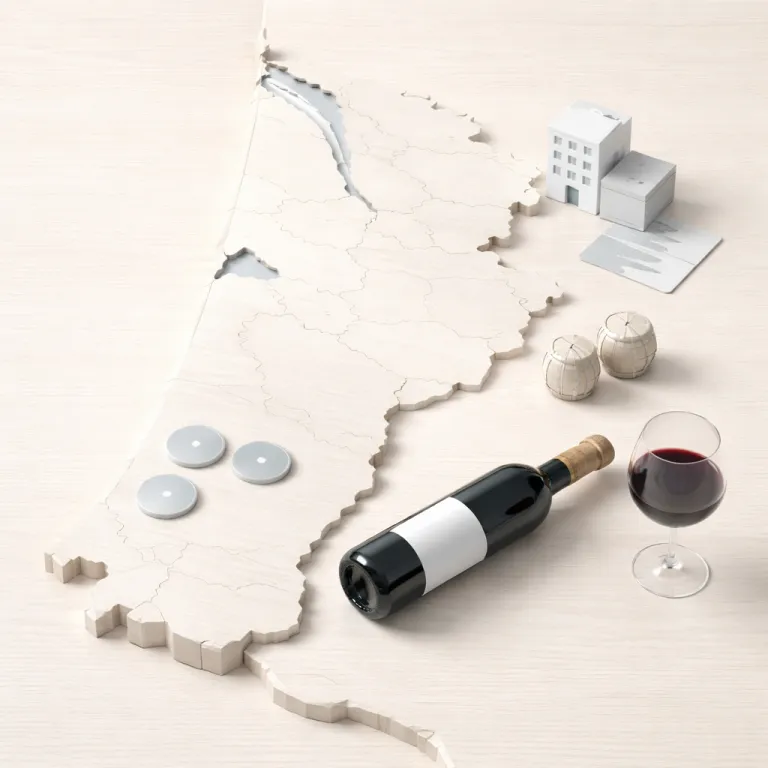
The Concours de Bordeaux – Vins d’Aquitaine has quietly redrawn the map of French wine for travellers checking into luxury hotels in the city. What began in Bordeaux as a competition focused on local appellations now embraces wines and grape varieties from all twelve departments of Nouvelle‑Aquitaine, bringing Cognac, Périgord and the Pays Basque into the same shortlist as Médoc and Saint‑Émilion. For a couple choosing one carafe to define their stay, this wider field of winning wines has become one of the most useful sommelier tools in the room.
On a single day at the Palais des Congrès de Bordeaux, 1,849 wines were judged through blind tasting sessions by nearly 400 tasters, and only 573 medals were awarded, which means a strict 30.99 percent of entries made the cut. According to the Concours de Bordeaux 2024 official palmarès compiled by the Gironde Chamber of Agriculture, those distinctions now cover estates located far beyond the traditional vineyards around the city, including family domaines in the Charente, Périgord noir and along the Atlantic coast. When you read a hotel wine list in Bordeaux or in a château hotel near Saint‑Émilion, that ratio tells you that every medal on the page has already survived one of the largest regional wine selection exercises of the year.
The organisers, the Gironde Chamber of Agriculture working with the Concours de Bordeaux team, use standardised scoring sheets and a digital system to keep the evaluation of wines and grape varieties consistent. Their stated aim is simple and commercial: they want to promote regional wine producers, support sustainable vineyards and give award‑winning estates a clear business advantage with travellers who may only have one night and one bottle. As competition director Jean‑Marc Vacher explains in the 2024 results release, the goal is to offer “a reliable, practical benchmark for buyers and sommeliers, from a young Bordeaux Supérieur to a dry Charentais white.” Now that the competition covers all of Nouvelle‑Aquitaine, the Concours de Bordeaux 2024 winners label on a menu in a hotel restaurant signals not just local pride but a curated experience of great winemaking across the wider region.
How Bordeaux’s top hotel restaurants are using the concours palmarès
In the dining room at Le Pressoir d’Argent Gordon Ramsay, the sommelier is already treating the Concours de Bordeaux 2024 winners list as a live buying grid rather than a marketing slogan. The full roster of winners is cross‑checked against existing allocations from major château names and smaller family estates, then mapped to specific grape varieties and vintages that pair with the kitchen’s lobster, pigeon and veal. Here, medals are not decoration; they are a fast filter for quality when the team is tasting through flights of red wines, dry whites and sweet wines in March and early spring. As one senior sommelier there puts it, “If a young Merlot‑driven Bordeaux Supérieur has earned a gold at the concours, it goes straight onto our shortlist for by‑the‑glass pours.”
Across the river at L’Observatoire on the top floors of the InterContinental, the head sommelier uses the concours results to balance the cellar between classic Bordeaux wines and the new wave from Nouvelle‑Aquitaine. A gold medal for a dry white from the Charente or a silver for an Italian‑inspired style grown on Atlantic‑facing vineyards can justify a new listing alongside the best wines from Pauillac or Pomerol. Recent examples include a medal‑winning Sauvignon‑Sémillon blend from an estate near Cognac and a supple Merlot‑Cabernet Franc from the Dordogne, both poured next to grand cru classé labels. For guests, that means a wine tour in a glass, with winning wines from different estates and grape varieties poured side by side, each one clearly tagged with its medal and competition category.
At Les Sources de Caudalie’s La Grand’Vigne, located among vines planted around the Smith Haut Lafitte estate, the Concours de Bordeaux 2024 winners are used to spotlight organic and sustainable cuvées. The sommelier team looks for award‑winning producers whose vineyards are committed to low‑intervention farming, then builds pairings that move from structured reds to lighter wines and even a glass of Cognac or Pineau des Charentes. A typical sequence might start with a certified organic Cabernet‑based red from the Entre‑deux‑Mers, move to a delicate Bergerac Sec from a family domaine in the Périgord, then finish with a small‑batch Pineau from the Charente. For couples staying on property, that approach offers a coherent experience of Nouvelle‑Aquitaine in one dining room, from the largest wine appellations to tiny family plots where great winemaking is still a very personal business.
What to ask for: three medal categories that upgrade a hotel stay
For travellers scanning a hotel wine list after check‑in, the Concours de Bordeaux 2024 winners label can feel abstract until you know what to request. Start by asking the sommelier for any gold medals from the competition that come from outside the classic Bordeaux appellations, because these wines often offer exceptional quality to price and a fresh expression of grape varieties you thought you knew. A single glass of such an award‑winning white or red can turn room service on the Quai des Chartrons into a private wine tour of Nouvelle‑Aquitaine, especially if it is a named cuvée from a recent vintage rather than a generic house pour.
Next, look for winning wines that are explicitly flagged as organic or sustainably farmed, especially from estates located near Saint‑Émilion or in the Dordogne. These wines often come from smaller vineyards with fewer vines planted per parcel, where a family is directly involved in every step of the business, from pruning to pouring. When a hotel restaurant offers a flight of such bottles, you are tasting not just French wine but a set of decisions about land, labour and long‑term quality, whether it is a biodynamic Cabernet Franc from the Libournais or a low‑sulphur Malbec from the Lot‑et‑Garonne.
Finally, ask to read any by‑the‑glass selection that combines silver medals from the concours with older vintage bottles from classic château names, because this mix often hides the best wines for curious couples. The sommelier can usually produce a discreet full list of competition references, even if only a few appear on the printed menu or within the hotel’s digital app. As the organisers themselves summarise in their official material, “How are wines judged? Through blind tastings by expert panels. Who can enter the competition? Wines from the Nouvelle‑Aquitaine region. What benefits do winners receive? Recognition and commercial advantage.” The result is not louder marketing, just a wider, more transparent guide to what deserves a place on your table.