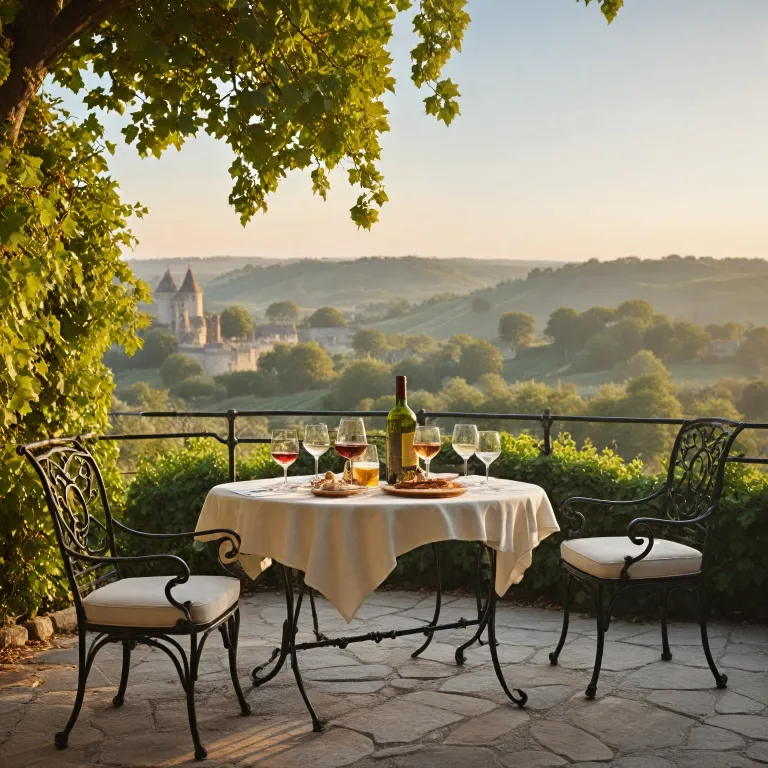
Elegant overview of Bordeaux attractions for discerning travelers
Bordeaux attractions appeal to travelers who value refinement, culture, and time well spent. The city in south west Bordeaux France combines grand architecture, a riverside setting on the Garonne River, and world famous wine into a stay Bordeaux that feels effortlessly elegant. For guests choosing luxury and premium hotels, understanding how each place and neighborhood shapes your experience is essential.
The historic center is a UNESCO listed area where every street seems designed for slow walks and quiet admiration. Here you move between the beautiful Place de la Bourse, the shimmering Miroir d'eau, and the graceful Grand Théâtre without ever leaving the compact center Bordeaux. This historic town layout makes it easy to plan a day that balances museums, shopping, and fine restaurants.
Along the Garonne River, Bordeaux attractions reveal a more contemporary side of the city. The Port de la Lune curves elegantly, framed by restored façades that speak to centuries of trade between France and Spain. From many premium hotels you can walk directly to the riverfront, then continue towards Bassins des Lumières and other modern cultural spaces that now define things Bordeaux for art lovers.
For travelers booking high end stays, the key question is not only which Bordeaux attractions to visit, but how to connect them into a coherent, relaxed itinerary. A well chosen hotel in the historic center or near the river allows you to reach most major sites on foot within a short time. This proximity is particularly valuable for short breaks, when every day in the city must feel both rich and unhurried.
Staying near the historic center and riverfront landmarks
Choosing a hotel close to the historic center places you at the heart of Bordeaux attractions from the moment you step outside. Within a few minutes you can reach the graceful arches of the Grosse Cloche, the lively quarter of Saint Pierre, and the Gothic tower of Saint Michel that dominates the skyline. This compact area of Bordeaux France is ideal for guests who prefer to walk rather than rely on taxis or trams.
The Miroir d'eau, designed by landscape artist Michel Corajoud with fountain maker Jean Max Llorca and architect Pierre Gangnet, is one of the most photographed places in the city. Its 3 450 square meter surface reflects the classical façades of Place de la Bourse, creating a poetic link between water, stone, and sky. Visit the Miroir d'eau between April and October for the full experience.
Many luxury hotels position themselves between the Garonne River and the historic center, allowing guests to enjoy both river views and immediate access to cultural sites. From these addresses you can stroll to the Grand Théâtre for an evening performance, then continue along the riverfront to admire the illuminated quays. This area also offers some of the best restaurants for refined regional cuisine, where wine pairings highlight the diversity of the surrounding vineyards.
Travelers who stay Bordeaux for several days often appreciate the calm of the riverfront in the early morning. At this time the city feels almost private, and you can walk from the Port de la Lune towards Bassins des Lumières before the main crowds arrive. This balance between lively streets and quiet moments is one of the reasons the historic center remains the preferred base for premium stays.
Wine, gastronomy, and refined evenings in the city
No guide to Bordeaux attractions is complete without focusing on wine and gastronomy, which shape both the city and its surroundings. Within the center Bordeaux you will find numerous wine bars that showcase small producers alongside prestigious châteaux, allowing you to taste widely without leaving town. These venues often sit on atmospheric street corners in Saint Pierre or near the Grand Théâtre, where evenings stretch out in a relaxed, elegant rhythm.
For travelers who wish to understand wine in depth, La Cité du Vin stands out as a major cultural attraction. This striking building on the Garonne River offers immersive exhibitions that explain how wine connects Bordeaux, France, and regions as far as Spain and beyond. Audio guides, tasting workshops, and panoramic views from the upper floors make it one of the essential things Bordeaux for both novices and connoisseurs.
Food markets add another layer to the city’s appeal, especially for guests staying in serviced apartments or hotels with kitchenettes. The Marché des Capucins is the most famous example, where stalls overflow with oysters, seasonal produce, and cheeses that pair beautifully with local wine. Many travelers read about this market on platforms such as Lost in Bordeaux, then plan a morning visit followed by a relaxed lunch at one of the surrounding restaurants.
Evenings in Bordeaux often begin with an apéritif on a terrace in the historic center, followed by dinner in a refined dining room or contemporary bistro. Afterward, you might walk to Place de la Bourse to see the Miroir d'eau under the night sky, when the reflections feel almost theatrical. This combination of gastronomy, architecture, and gentle river breezes defines the city’s particular charm for luxury travelers.
Day trips from Bordeaux to vineyards and nearby towns
While the city itself offers many Bordeaux attractions, some of the most memorable experiences take place on day trips into the surrounding wine country. The medieval town of Saint Émilion is the most celebrated excursion, combining steep cobbled streets, monolithic churches, and world renowned vineyards. Many premium hotels can arrange private drivers or small group tours, ensuring that guests enjoy tastings without worrying about transport or time.
From Bordeaux France, a typical day trip to Saint Émilion includes visits to two or three châteaux, a walk through the historic center, and lunch in a village restaurant. Guides explain how the limestone plateau shapes the character of the wine, while also pointing out architectural details that date back centuries. This blend of landscape, history, and gastronomy makes Saint Émilion one of the best things Bordeaux can offer to wine focused travelers.
Other day trips might lead you towards the Médoc, where grand estates line the road between the estuary and the Atlantic, or towards the Graves and Sauternes regions south of the city. Each area has its own style of wine, from structured reds to luminous sweet wines that pair beautifully with local desserts and cheeses. Some visitors also combine wine tours with short detours towards the coast, where the influence of Spain can be felt in certain culinary traditions.
When planning these excursions, it is wise to consider how they fit with your chosen hotel location and length of stay Bordeaux. A central base near the Garonne River allows for early departures and relaxed returns, with plenty of restaurants nearby for a light evening meal. Many travelers appreciate curated packages that combine accommodation, guided tours, and tastings, such as those highlighted in this overview of exclusive hotel packages for luxury and premium stays in Bordeaux.
Art, architecture, and immersive cultural experiences
Bordeaux attractions extend well beyond wine, with a growing emphasis on art, architecture, and immersive experiences. The Port de la Lune, which forms a sweeping curve along the Garonne River, is recognized as a UNESCO World Heritage Site for its harmonious urban ensemble. Explore the Port de la Lune to appreciate Bordeaux's architectural heritage.
Within this vast area, the historic center showcases elegant façades, ornate balconies, and carefully restored monuments that reward slow exploration. Climb the 230 steps of Tour Pey Berland for panoramic city views, then wander back through the narrow lanes of Saint Pierre and towards the Grosse Cloche. Along the way you will pass small galleries, artisan workshops, and cafés that reveal a more intimate side of the city.
Contemporary art finds a dramatic stage at Bassins des Lumières, housed in a former submarine base on the edge of town. Here large scale digital projections transform the concrete spaces into immersive exhibitions, creating one of the most striking things Bordeaux offers to culture enthusiasts. The contrast between this industrial setting and the refined interiors of luxury hotels in the center Bordeaux underlines the city’s dynamic character.
Evening light shows and seasonal installations further animate the riverfront and key squares, adding a sense of theatre to everyday walks. These events often highlight the dialogue between historic stone and modern technology, reinforcing Bordeaux France as a city that respects its past while embracing innovation. For travelers, this means that every day in town can include both classic sightseeing and unexpected artistic encounters.
Navigating neighborhoods, streets, and practical planning
Understanding the layout of Bordeaux helps travelers choose the right place to stay and organize their time efficiently. The historic center is framed by broad boulevards and the Garonne River, with districts such as Saint Pierre and Saint Michel offering distinct atmospheres. Saint Pierre is known for its lively squares and restaurants, while Saint Michel feels more bohemian, with a towering basilica and a vibrant market culture.
Key Bordeaux attractions cluster around these quarters, making it easy to plan themed walks that link architecture, shopping, and gastronomy. One day might focus on the area between Place de la Bourse, the Grand Théâtre, and the main shopping street, while another explores the streets around the Marché des Capucins. The Marché des Capucins, often called the belly of Bordeaux, is particularly appealing for travelers who enjoy tasting local specialties in an authentic setting.
Transport within the city is straightforward, with trams and buses complementing the walkable scale of the center Bordeaux. Many luxury hotels offer concierge services that help guests book restaurant tables, arrange wine tours, or secure tickets for performances at the Grand Théâtre. For visitors who like to read detailed itineraries before arrival, resources such as Lost in Bordeaux provide neighborhood guides and suggestions for both short and extended stays.
When planning a stay Bordeaux, it is wise to balance must see sites with unstructured time for wandering and quiet café stops. This approach allows you to appreciate both the headline attractions and the subtle charm of everyday street life. In the end, the most rewarding things Bordeaux offers often emerge from these unscripted moments between scheduled visits and formal tours.
Luxury and premium hotel choices for every style of traveler
For travelers focused on luxury and premium stays, Bordeaux offers a refined selection of hotels that align with different preferences and priorities. Some properties occupy historic town mansions near the Grand Théâtre, where high ceilings, period details, and attentive service create a classic French atmosphere. Others embrace a more contemporary style along the Garonne River, with clean lines, spa facilities, and panoramic views of the city skyline.
Location remains the most important factor when choosing where to stay Bordeaux, especially for guests who want to maximize their time. A hotel in the historic center places you within walking distance of Place de la Bourse, the Miroir d'eau, and many of the best restaurants. Properties slightly outside the core may offer larger rooms or quieter surroundings, while still keeping you close to tram lines for easy access to major Bordeaux attractions.
Many high end hotels now integrate curated experiences into their offerings, from private wine tastings to guided walks through the historic center. These services help guests connect more deeply with Bordeaux France, transforming a simple overnight stay into a sequence of memorable moments. Some properties also collaborate with local partners for exclusive access to châteaux, galleries, or behind the scenes tours at venues such as La Cité du Vin.
When comparing options, consider how each hotel supports your preferred rhythm of travel, whether you plan long day trips or relaxed urban strolls. Reading recent guest feedback, consulting trusted travel journalism, and speaking directly with hotel concierges can all help refine your choice. Ultimately, the right property will feel like a calm, elegant base from which to explore the many layers of things Bordeaux, from riverfront walks to vineyard excursions.
Key statistics about Bordeaux attractions
- Area of the Port de la Lune UNESCO World Heritage Site : 1 731 hectares.
- Height of Tour Pey Berland next to the cathedral : 66 meters.
- Surface area of the Miroir d'eau reflecting pool on Place de la Bourse : 3 450 square meters.
Essential questions about visiting Bordeaux
What is the best time to visit the Miroir d'eau ?
The Miroir d'eau operates from April to October, making these months ideal for a visit. During this period the shallow water and mist effects run regularly, creating the full reflective and atmospheric experience. Outside these months, the square remains impressive, but the installation may not be active.
How many steps are there in Tour Pey Berland ?
There are 230 steps leading to the top of Tour Pey Berland. The staircase is narrow and winding, so visitors should wear comfortable shoes and be prepared for a steady climb. The reward is a panoramic view over the historic center, the Garonne River, and the surrounding cityscape.
What is the significance of Port de la Lune ?
Port de la Lune is a UNESCO World Heritage Site recognized for its architectural and historical importance. The crescent shaped riverfront illustrates the prosperity of Bordeaux during its trading peak and showcases a remarkably coherent urban ensemble. Walking this curve along the Garonne River offers a clear sense of how commerce, architecture, and civic ambition shaped the city.