Why a Pessac-Léognan vineyard visit from Bordeaux changes the script
Check into a luxury hotel in Bordeaux and the default suggestion is almost always a Saint-Émilion wine tour. Yet a carefully planned day in the Pessac-Léognan vineyards shifts the focus south, into an appellation that sits just 14 kilometres from the city and feels quietly self-assured rather than theatrical. This is where the Pessac-Léognan AOC overlaps with the northern Graves, producing both structured red wines and luminous dry white wines at cru classé level, often within sight of the ring road.
For couples used to long transfers to distant wineries, the proximity of Pessac and Léognan is a revelation. A taxi from a central Bordeaux hotel to a leading château in the appellation rarely takes more than twenty to twenty-five minutes in normal traffic, which means a full day of vineyards is optional rather than compulsory. You can shape a half-day tour around one private winery visit, one more relaxed tasting, and still be back in time for a late afternoon spa treatment or a pre-dinner drink at your hotel bar.
The character of the wines, château by château, also feels more intimate than in the Médoc. Here, Cabernet Sauvignon and Merlot for red wine share the stage with Sauvignon Blanc and Sémillon for white wine, and the best estates treat both colours with equal seriousness. A visit to a Pessac-Léognan estate often includes a comparative tasting of red and white in the same cellar, which remains rare elsewhere in the world of Bordeaux wine.
The only Bordeaux appellation where red and white share the same pedestal
Pessac-Léognan is the only Bordeaux appellation where both red and white wines reach grand cru classé status, and that dual focus shapes every serious visit. In the Médoc, red wines dominate the conversation; here, a sommelier will often start you on a dry white before pouring a structured red from the same gravelly slope. That contrast is the quiet thrill of any Pessac-Léognan tasting itinerary, especially for couples who think they already know Bordeaux wine.
The whites matter because they age and because they are gastronomic. Built on Sauvignon Blanc, often with a generous share of Sémillon, these white wines show citrus, smoke and a saline edge that works with everything from oysters at the Marché des Capucins to turbot at a Michelin-starred dining room. When you taste white wine from a leading classified growth here, you understand why this corner of the Graves has become the reference for serious dry white in the region.
The reds, meanwhile, are less about brute force than about texture and perfume. Cabernet Sauvignon gives spine, but the gravel soils of the northern Graves and the slightly warmer microclimate around Pessac and Léognan soften the edges, especially at estates with grand cru status. If you are tracking recent releases after reading about shifting hierarchies in regional awards, pairing that context with an on-site wine tasting here gives you a far clearer sense of how this appellation is evolving than any list of medals could.
From Haut-Brion to Les Carmes: five châteaux that justify the detour
Think of Pessac-Léognan and one name inevitably surfaces first: Haut-Brion. The historic Château Haut-Brion estate, technically in Pessac rather than rural Léognan, anchors the northern edge of the appellation and sets the tone for Cabernet Sauvignon–driven red wine that is both powerful and urbane. While access here is tightly controlled and often reserved for trade or serious collectors, simply driving past on your way to other wineries frames the story of Bordeaux wine in a single silhouette of vines against city streets.
For most couples planning a Pessac-Léognan wine tour from Bordeaux, the more realistic anchor is Château Smith Haut Lafitte, a biodynamic property in Martillac that pairs a serious winery with a luxury hotel and spa next door. The vineyards wrap around Les Sources de Caudalie, and a guided wine tour here moves from gravity-fed cellars to contemporary sculpture in the park, before ending with a structured tasting of both red and white wines. If you care about eco-friendly viticulture, this is where you can put the questions you have read in any guide to biodynamic luxury stays directly to the château équipe; visits typically run daily by appointment, with English-language tours available several times a week and typical fees starting around €25–€40 per person for a classic tasting.
Château Pape Clément in Pessac offers a different kind of theatre, with an almost urban winery framed by palm trees and the story of Bertrand de Got, the future Pope Clément V, woven into every visit. South of here, Château Haut-Bailly and its guest house La Chartreuse de Haut-Bailly provide a more hushed experience, with meticulously farmed vineyards and a recent architectural restoration that feels closer to a private home than a showpiece. Further west, Château Les Carmes Haut-Brion stands out for its Philippe Starck–designed cellar and a wine style that leans into fragrance and finesse, making it a compelling counterpoint to the more classical line-ups elsewhere in the appellation.
Designing the perfect half day from a Bordeaux hotel
The logistics of a Pessac-Léognan excursion are disarmingly simple, which is part of the appeal for couples staying in the city. From a five-star address near Place de la Bourse or the Golden Triangle, you can ask the concierge to arrange a private car, or you can rely on a regular taxi or ride-hailing service for the short hop south into the Graves. The first option buys you flexibility and a driver who waits between wineries; the second keeps things casual and works well if you are focusing on a single château visit and a leisurely lunch.
A classic pattern is to book one private, in-depth wine tour at a leading winery such as Château Smith Haut Lafitte or Château Haut-Bailly, then add a more relaxed, possibly walk-up tasting at a smaller property. Many wineries in Pessac and Léognan offer structured tasting sessions that include both red and white wines, often with a focus on how Sauvignon Blanc and Cabernet Sauvignon express the same gravel terraces differently. If you time it well, you can finish with lunch at L’Observatoire de Smith Haut Lafitte or at a nearby bistro in Martillac, or return to Bordeaux for a late service at a city restaurant, carrying the memory of vineyards still visible in the rear-view mirror.
Back in town, the day does not have to end with the last pour at the winery. Some of the most interesting Bordeaux wine lists now sit in hotel bars, where sommeliers pour both classic reds from the Graves and more experimental whites from Pessac-Léognan producers by the glass. If you want to keep exploring the appellation without leaving your armchair, a curated reading of where the city’s best drinking happens after service will point you toward the counters where Pessac-Léognan is treated as a house pour rather than a special-occasion bottle.
How Pessac-Léognan feels different from the Médoc once you are among the vines
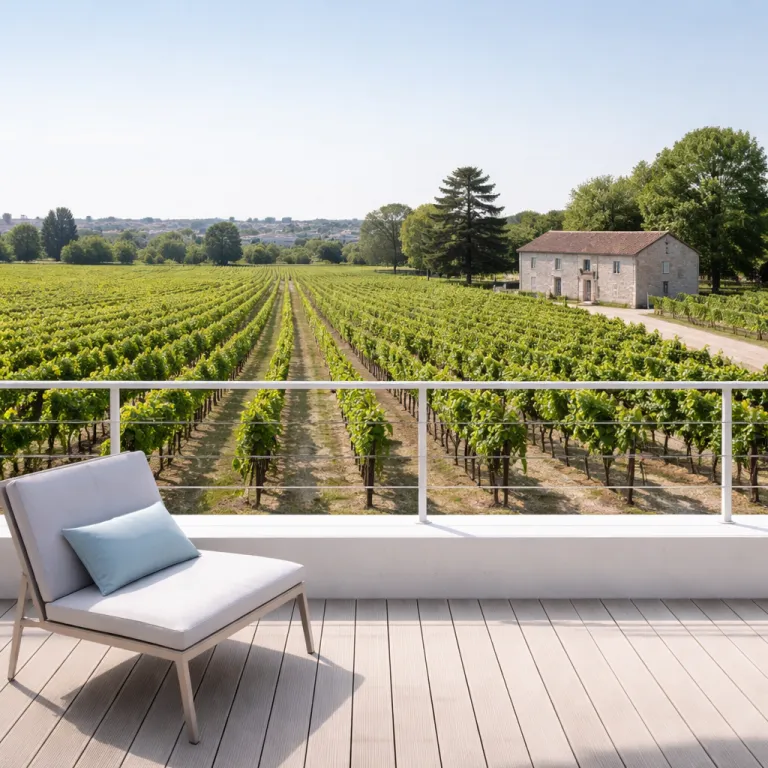
Stand in the vineyards of Léognan and the first surprise is how close the city feels. You can leave a marble lobby in central Bordeaux, pass through Pessac in less than half an hour, and suddenly find yourself on a gravel rise looking across orderly rows of vines with only a church spire and a line of pines on the horizon. That contrast between urban proximity and rural calm is the quiet luxury that defines a day among the Pessac-Léognan vineyards.
The second difference from the Médoc is the atmosphere at the wineries themselves. In Pauillac or Margaux, a grand cru property can feel almost ceremonial, with long drives, formal façades and a choreography of tastings that emphasises hierarchy and age. In the Graves and the Pessac-Léognan appellation, even at cru classé estates, there is often a sense that you are visiting a working farm first and a monument second, with winemakers talking as readily about soil health and sustainable viticulture as about scores.
That focus on the land is not accidental. The Pessac-Léognan AOC covers 10 communes in the Graves and a total of 26 classified growths, and many of these wineries have leaned into eco-friendly practices, from organic farming to full biodynamic certification, as part of a broader shift in how Bordeaux wine is made. When you walk a parcel at Château Couhins or another research-driven estate and taste a line-up of dry white and red wines side by side, you feel how this corner of Pessac-Léognan is less about spectacle and more about precision, which makes it a quietly compelling base for any couple planning a countryside escape from a city hotel.
FAQ
How far is Pessac-Léognan from central Bordeaux hotels?
Pessac-Léognan lies roughly 14 kilometres south of central Bordeaux, which translates into a drive of about twenty to thirty minutes from most luxury hotels near the river, depending on traffic. That short distance makes a half-day vineyard visit entirely realistic, even if you prefer a leisurely breakfast and a late return. It is one of the rare wine regions where you can move from city square to working vineyards between two courses of the same day.
What types of wines will I taste during a visit?
The appellation produces both red wines and white wines at a high level, often from the same plots of gravel and sand. Expect structured yet supple reds based on Cabernet Sauvignon and Merlot, alongside dry whites built on Sauvignon Blanc with Sémillon, all labelled under the broader banner of Bordeaux wine. Many wineries design tastings that show both colours, so you can compare how the same château interprets its terroir in different styles.
Do any vineyards in Pessac-Léognan offer luxury accommodation?
Several estates in Pessac and Léognan now pair wineries with high-end places to stay, creating a countryside alternative to a Bordeaux city hotel. Properties such as Château Léognan and La Chartreuse de Haut-Bailly offer rooms or suites with direct views over vineyards, often combined with private tastings or cellar access. For couples, this can work as a second stage after a few nights in town, extending a short Pessac-Léognan escape into a longer retreat.
Should I book wine tours in advance or can I just walk in?
For major châteaux such as Château Smith Haut Lafitte, Château Pape Clément or Château Haut-Bailly, advance reservations are strongly recommended, especially if you want an in-depth wine tour in English. Smaller wineries sometimes accept walk-in tastings, but availability can vary with the season and with harvest schedules. A good strategy is to secure one private visit ahead of time, then leave space for a more spontaneous stop during your Pessac-Léognan wine day.
Is Pessac-Léognan suitable for first-time wine travellers?
The compact size of the appellation, the short distance from Bordeaux and the clear focus on both red and white wines make Pessac-Léognan very approachable for newcomers. Many wineries offer guided tastings that explain the basics of Bordeaux wine, from grape varieties such as Cabernet Sauvignon and Sauvignon Blanc to the meaning of terms like cru classé and Graves. For a couple staying in a city hotel, it is an elegant way to step into wine country without committing to a full day on the road.