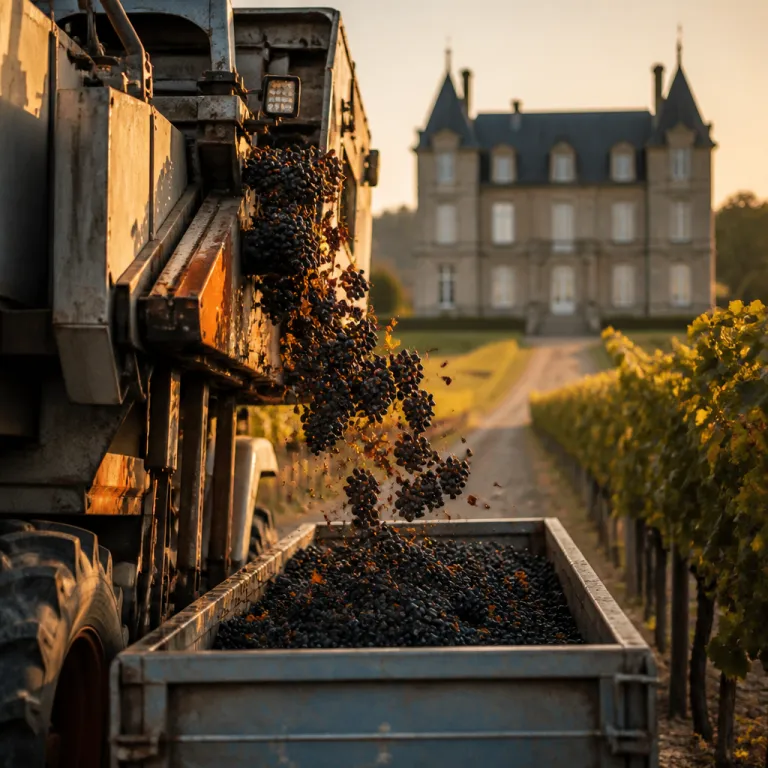
Luxury stays amid château du bordelais vineyards and estates
Planning a refined escape in Bordeaux often begins with a single image ; a serene château du bordelais framed by orderly vineyards and pale stone. For travelers seeking a luxury or premium hotel, the challenge is aligning that dream of a historic chateau with practical details such as pers capacity, estate facilities, and proximity to the city. A curated booking website focused on Bordeaux helps you compare each chateau and its wines with clarity and confidence.
The wider Bordeaux region counts around 6 000 châteaux, each estate shaping its own interpretation of high quality hospitality and wine. When you browse a specialist platform, you can filter by the style of chateau, the number of pers per room or suite, and whether the property sits beside grand vineyards or closer to the Garonne quays. This level of detail matters, because a romantic stay for two pers in a secluded century chateau differs greatly from a multi pers family escape near urban attractions.
Many travelers want a hotel that offers direct access to vineyards and a structured tour or tasting without leaving the estate. A strong booking website highlights which chateaux include on site wine tasting, guided visit tasting experiences, or private tours of their hectares of vines. It also clarifies whether the chateau wines are classified as grand cru, cru classé, or part of a specific appellation such as Saint Émilion or Entre Deux Mers, helping you align your stay with your wine interests.
How a premium booking website elevates your château du bordelais experience
A luxury and premium hotel booking website dedicated to Bordeaux does more than list rooms ; it curates the full château du bordelais experience. For each chateau, you should see transparent details about the estate history, the surrounding vineyards, and the style of wines poured during tasting sessions. This level of editorial care builds trust and allows you to compare chateaux with the same precision you would apply to choosing a grand cru.
Architecture focused content is particularly valuable when selecting a century chateau or a more contemporary estate. A resource such as an architectural inspiration guide for discerning travelers helps you understand whether a chateau grand residence offers classic symmetry, terra cotta roofs, or sleek glass extensions overlooking vineyards. This context is essential when you want your hotel to reflect the same high quality aesthetic as the wines produced on the surrounding hectares of vines.
Beyond visuals, a premium platform clarifies how each estate integrates wine tourism into its hospitality. You can quickly see if a chateau organizes a structured visit chateau itinerary, a technical visit tasting in the chai, or a relaxed tour through century trees that shelter the vineyard. By presenting these options side by side, the website empowers you to match your expectations with the right chateaux, whether you prefer an in depth grand cru classé immersion or a gentle introduction to Bordeaux wines.
Choosing between city based luxury hotels and vineyard châteaux
One of the most nuanced decisions for travelers is whether to stay in central Bordeaux or within a château du bordelais surrounded by vineyards. A city based luxury hotel offers immediate access to restaurants, museums, and the Garonne riverfront, while a countryside chateau immerses you in the rhythm of the estate and its wines. A sophisticated booking website should help you weigh these options with clear maps, distances in kilometres, and realistic travel times.
For guests who value wine above all, sleeping on a working estate can be transformative, especially when the chateau produces grand cru or cru classé wines. You wake to views of hectares of vines, join a morning visit chateau through the cellars, and end the day with a guided tasting of the estate wines. In contrast, a high rise hotel in Bordeaux may partner with several chateaux for day trips, allowing you to visit multiple vineyards such as a chateau haut property in the Médoc or a chateau grand estate near Saint Émilion.
Many travelers choose a hybrid itinerary, booking a few nights in Bordeaux followed by a stay at a chateau in the countryside. A well designed platform lets you filter by region, from the limestone slopes of Saint Émilion and Saint Georges to the rolling hills of Entre Deux Mers. This flexibility allows you to experience both the urban energy of Bordeaux and the quiet grandeur of chateaux framed by century trees and meticulously kept vineyards.
Iconic appellations and signature château du bordelais stays
Understanding the main Bordeaux appellations helps you choose where to book your luxury stay among the many château du bordelais options. On the Right Bank, Saint Émilion and Saint Georges offer intimate hillsides where each chateau and its vineyards form a compact estate, often with grand cru or grand cru classé status. On the Left Bank, names such as Médoc and Haut Médoc evoke larger chateaux like Château Pichon, where vast hectares of vines stretch toward the Gironde estuary.
South of Bordeaux, Sauternes and Graves host historic properties such as Château Malle, where sweet wines and century trees create a distinctive atmosphere. West and east of the city, the Entre Deux Mers and wider deux mers area provide a patchwork of vineyards, including estates like Château Grand Verdus that combine wine production with refined hospitality. In these regions, a booking website should highlight whether each chateau follows Terra Vitis or other sustainable certifications, since many travelers now seek high quality wines produced with environmental care.
Closer to the city, estates such as Château Taillan and various chateau haut properties offer convenient access for shorter stays or day visits. A thoughtful platform will indicate which chateaux provide structured tour and tasting options, from introductory flights of white wines to vertical tastings of older vintages. By aligning your hotel choice with the appellation, you ensure that every visit tasting, vineyard walk, and evening glass reflects the specific character of the region you most wish to explore.
Designing a wine focused itinerary with luxury hotel bases
Once you have chosen your preferred château du bordelais or city hotel, the next step is crafting a coherent itinerary. A strong booking website supports this by suggesting themed routes that link chateaux, vineyards, and key landmarks across the Bordeaux region. For example, you might combine a stay near Saint Émilion with visits to a chateau saint property, a cru classé estate in Saint Georges, and a Terra Vitis certified vineyard that showcases sustainable practices.
On another trip, you could base yourself at a chateau near the Médoc and plan a tour that includes Château Pichon, a chateau haut estate, and a visit tasting at Château Taillan. Many platforms now integrate real time availability, allowing you to secure tasting slots and visit chateau appointments while you confirm your hotel booking. This coordination is particularly valuable in high season, when the most sought after chateaux and their wines attract visitors from around the world.
For romantic escapes, a dedicated article on luxury honeymoon hotels in Bordeaux can help you identify estates with especially atmospheric rooms and private tasting options. Families, by contrast, may prioritize chateaux with spacious grounds, safe walks among century trees, and flexible pers configurations in suites. Whatever your profile, the goal is to align hotel selection, estate visits, and wine tastings so that each day flows naturally from vineyard to glass.
Heritage, sustainability, and trust when booking château du bordelais stays
Behind every elegant stay in a château du bordelais lies a deep viticultural heritage that a trustworthy booking website should present with accuracy. Bordeaux vineyards cover more than 110 000 hectares of vines, and the region exports millions of hectolitres of wines to international markets. When a platform explains how each estate balances tradition and innovation, it helps travelers appreciate why these chateaux remain central to the cultural and economic life of the region.
Many estates now adopt sustainable approaches such as Terra Vitis, organic, or biodynamic viticulture, which a high quality website should clearly label. This transparency allows guests to choose a chateau whose practices align with their values, whether they stay at Château Grand Verdus in the Entre Deux Mers area or a smaller estate near Saint Émilion. It also reassures visitors that the wines they enjoy during each visit tasting reflect thoughtful stewardship of soil, water, and century trees that shelter the vineyard.
Trust also depends on accurate descriptions of room categories, pers capacity, and on site services such as spa facilities or private tour options. A credible platform will verify information directly with chateaux, from a grand cru classé estate in Saint Georges to a family run chateau saint property near Bordeaux. By combining clear data, editorial insight, and respect for the living landscape of vineyards and estates, a luxury booking website becomes an essential ally for travelers seeking meaningful, wine centered stays.
Key figures about Bordeaux châteaux and wine tourism
- Approximately 6 000 châteaux viticoles shape the wider Bordeaux wine landscape, offering a vast choice of estates for travelers.
- The Bordeaux vineyard covers around 110 800 hectares of vines, stretching from Médoc to Entre Deux Mers and Saint Émilion.
- Exports of Bordeaux wines reach more than 4 million hectolitres annually, underlining the global appeal of the region’s chateaux.
- The wine sector around Bordeaux generates close to 4 billion euros in annual revenue, supporting hospitality, tourism, and local heritage.
Essential questions about visiting château du bordelais estates
What is a Bordeaux château and how does it relate to hotels ?
A Bordeaux château is primarily a wine producing estate, often with a historic residence surrounded by vineyards. Some chateaux have converted part of their buildings into luxury or premium accommodation, while others partner with nearby hotels to host guests for tour and tasting experiences. When booking, check whether you are staying directly on the estate or in a separate hotel that organizes visit chateau excursions.
How many wine estates can travelers choose from around Bordeaux ?
The Bordeaux region includes about 6 000 wine producing châteaux, ranging from small family properties to grand cru classé estates. For travelers, this means a wide spectrum of possible visits, from intimate vineyard walks to elaborate tasting flights in architecturally striking cellars. A specialized booking website helps narrow this choice by highlighting chateaux that combine strong wines, comfortable accommodation, and engaging hospitality.
How should visitors plan tours and tastings during a short stay ?
During a brief trip, it is wise to focus on one or two appellations, such as Saint Émilion, Médoc, or Entre Deux Mers. Use your hotel or booking platform to reserve visit tasting slots at two or three chateaux per day, allowing time for travel between estates and unhurried tastings. Prioritizing a mix of renowned grand cru properties and smaller Terra Vitis or family run vineyards offers both depth and variety in your Bordeaux experience.