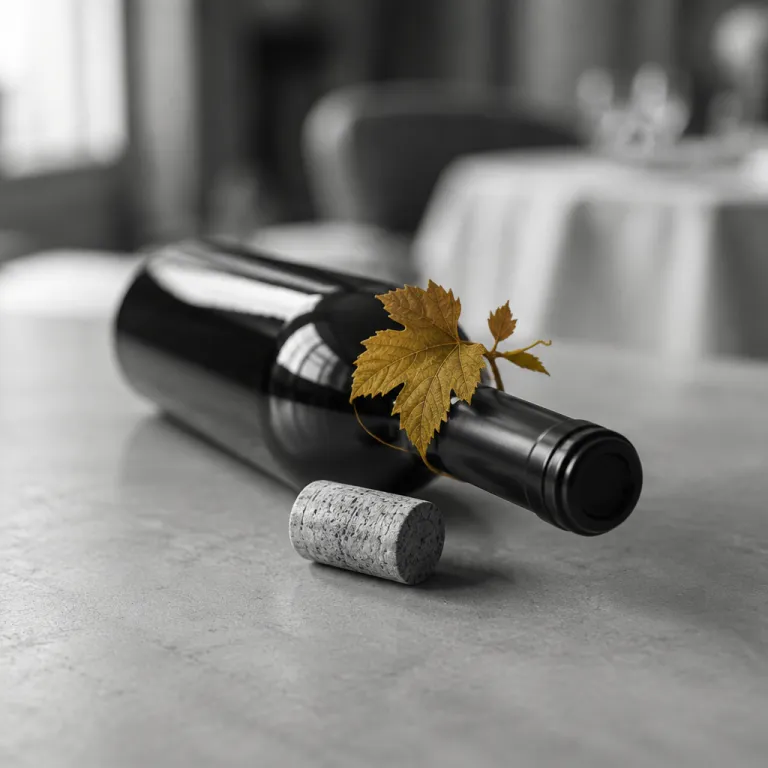
How the Bordeaux autumn wine dinner hotel ritual really works
The Bordeaux autumn wine dinner ritual begins when the evenings cool and the Garonne mist creeps over the quays. In luxury properties from the Golden Triangle to the riverfront, such as InterContinental Bordeaux – Le Grand Hôtel or Hôtel de Sèze, chefs and sommeliers design multi course menus where every plate is built around a specific wine and the entire experience is paced like a slow, precise tour through the region. You are not simply ordering dinner with a glass of Bordeaux wine; you are committing to a narrative that stretches from apéritif champagne to the final taste of aged Sauternes.
In practice, a typical wine dinner in a grand hotel dining room runs to four or six course plates, each with carefully calibrated wine pairings that shift from white wine to structured reds and finally to liquoreux. The sommelier will usually open with a glass of champagne or a vibrant sauvignon blanc from a nearby domaine, then move into deeper wines from a classified château as the menu leans toward game, truffle and slow cooked sauces. Expect the team to speak fluently about each domaine and to explain why this particular grand cru or these white wines from Graves frame the chef’s autumn flavours so well.
Because this is French wine culture at its most choreographed, timing matters as much as taste and service. Courses arrive with the wines already breathing, and the sommelier will often pour at the table to let you assess colour, nose and structure before you even touch the food. In the best Bordeaux autumn wine dinner hotel settings, the room falls briefly quiet at each pour; tastings become a shared, almost theatrical experience rather than a technical exercise.
What changes in the glass when summer gives way to autumn
By late September, the pale terrace rosés retreat and the serious bottles come out, reshaping every Bordeaux autumn wine dinner hotel menu in town. Sommeliers lean into structure and texture, bringing in merlot heavy blends from Saint-Émilion, muscular Médoc cabernets and nuanced Graves blanc to stand up to richer sauces and earthy vegetables. Where summer called for chilled white wines and barely there tannins, autumn demands bottles that will hold their own against cèpes, duck confit and slow roasted lamb.
The opening move is often a precise white wine rather than a simple apéritif; think sauvignon blanc from Pessac-Léognan, with pear and apple notes and a mineral line that slices through the first course. A well chosen Graves blanc or even a structured Loire Valley white from a respected domaine can be the perfect wine for dishes built around shellfish, caviar or lightly smoked fish. As the menu deepens, the glasses darken, and the sommelier may shift to Bordeaux wine from the Right Bank, then to Left Bank grand cru classé reds as the dinner progresses through meat course plates and cheese.
Dessert is where the season truly asserts itself, and where a hotel restaurant can outplay many independent addresses. Instead of predictable chocolate pairings, you might be offered a mature Sauternes from a storied château such as Château Suduiraut or Château Coutet, its honeyed pear and apple richness echoing roasted figs or a tarte fine aux pommes. For guests who prefer something drier, some sommeliers now pour late harvested Loire Valley wines from top domaines or even demi sec champagne, proving that wine pairings for autumn desserts can be as nuanced as any savoury course on the menu.
For readers planning anniversary nights or client dinners, the most reliable anniversary dinner tables in Bordeaux often sit inside discreet hotel dining rooms rather than on the busiest streets. A useful starting point is to look at the kind of dinner tables Bordeaux locals reserve for special occasions, then cross check which of those addresses sit within luxury hotels. That is usually where the most ambitious wine dinner programs and the most thoughtful tastings quietly happen.
The harvest context and how sommeliers tell the story
Autumn in Bordeaux is not just a season; it is a live briefing on the region’s vineyards, and every serious Bordeaux autumn wine dinner hotel uses that context. By the time you sit down in a polished dining room near Place des Quinconces or in a dinner château on the outskirts, the new vintage is already in tank and barrel, and the sommelier will weave that reality into the evening’s narrative. Guests hear about picking dates, sorting tables and fermentations while tasting wines that show what earlier harvests delivered in terms of balance and freshness.
Because the latest harvests have often started earlier than many locals remember, sommeliers now talk more about ripeness management and alcohol levels when they present Bordeaux wine. They might pour a line up that moves from a fresher, lower alcohol Saint-Émilion to a denser Médoc grand cru, explaining how picking decisions shaped the taste and the texture in the glass. In some hotels, the team will even contrast French wine from Bordeaux with a structured Loire Valley cabernet franc or a precise vin de France labelled sauvignon blanc to show how different regions responded to the same climatic pressures.
For travellers, this context turns a simple tasting into a compact masterclass in contemporary French wine. A well run Bordeaux autumn wine dinner hotel will often propose an optional pre dinner tour of the cellar, where you can see how many domaines they work with and how they manage stock, tax and ageing. If you are curious about how the château world is evolving, it is worth reading about how Michelin now grades Bordeaux châteaux, then asking your sommelier how those changes influence their own wine pairings and selection.
Hotel restaurant or independent table : choosing your autumn wine dinner
For a business traveller turning a board meeting into a long weekend, the first decision is simple yet strategic; should your key Bordeaux autumn wine dinner hotel evening happen in your hotel restaurant or at an independent address across town. Hotel dining rooms excel at choreography, with service teams that will pace a six course menu to your schedule and handle dietary requests without drama. Independent restaurants, especially in Saint-Pierre or around Rue du Palais Gallien, often bring a slightly more idiosyncratic wine list and a tighter focus on a few favourite domaines.
In a luxury hotel, the sommelier usually has deeper access to grand cru allocations from major château names, which matters if you want to open older vintages or rare formats. The cellar will often include both benchmark Bordeaux wine and a thoughtful selection of French wine from Burgundy, the Loire Valley and Champagne, allowing for more adventurous pairings across the menu. Independent tables may not hold the same depth of stock, but they compensate with nimble lists of wines from small producers and a readiness to open offbeat white wine or vin de France cuvées by the glass.
Service style also differs, and that affects the overall experience as much as the wines themselves. A Bordeaux autumn wine dinner hotel team is trained to handle corporate hosting, so they will manage tax compliant invoices, discreet contact with your assistant and precise timing if you need to leave by a certain hour. Independent restaurants can feel more relaxed and intimate, which is ideal for a tasting Saturday with friends, but less predictable if you are trying to align a multi course dinner with a tight travel schedule.
If you are extending a work trip, it helps to think of the hotel as both office and dining room. Articles such as the guide to turning a Bordeaux hotel into your office for a week show how the best properties already understand business leisure rhythms. The same mindset applies to wine dinners; the right hotel will shape the menu, the wines and even the pace of each course around your agenda.
What to expect on the plate, in the glass and on the bill
Autumn in Bordeaux is a season of cèpes, gibier and slow braises, and the best Bordeaux autumn wine dinner hotel menus lean into that palette. A typical sequence might start with a delicate course of scallops or line caught fish, move into a cèpe rich risotto, then progress to venison, duck confit or pigeon with jus and finally a cheese trolley and a restrained dessert. Each plate is built to frame a specific wine style, so the sommelier can move from taut sauvignon blanc to layered Saint-Émilion and finally to a golden Sauternes or late harvest Loire Valley white.
Expect the sommelier to talk in concrete terms about taste rather than abstract descriptors. They will explain how the pear and apple notes in a particular blanc echo the fruit in your starter, or how the tannins in a Left Bank grand cru soften when they meet the fat in a confit duck leg. When they propose champagne with cheese or a sure wine choice of dry white wine with truffle, they are not being contrarian; they are using structure and acidity to reset your palate between course plates.
On pricing, a serious wine dinner in a five star hotel usually sits in the same bracket as a high level tasting menu in Paris or London, especially once tax and service are included. As a rough guide, autumn menus with pairings in central Bordeaux often start around €140–€180 per person and rise if you add older vintages or prestige cuvées. You are paying not only for the domaines and the labels on the list, but for the storage, glassware, staff training and the ability to open rare bottles by the glass without waste. If you want to arrange a private tasting or a bespoke dinner château evening, most concierges will ask you to make early contact so they can secure specific bottles and design pairings that match your preferences.
For many guests, the decision is whether to book a set wine dinner or to organise a private tasting Saturday afternoon followed by a lighter à la carte meal. The first option gives you a tightly curated journey through Bordeaux wine and French classics, while the second lets you focus on technical tastings with the sommelier before relaxing over a simpler menu. Either way, the perfect wine moment in Bordeaux is rarely about labels alone; it is about how the room, the service and the conversation make each glass feel inevitable rather than impressive.
FAQ
How far in advance should I book an autumn wine dinner in Bordeaux ?
For a serious Bordeaux autumn wine dinner hotel experience, booking two to three weeks ahead is usually enough on weekdays and early in the season. Weekends and major events such as harvest festivals or Vinexpo fill faster, so aim for a month ahead if you want a specific table or a private room. If you need rare wines or a customised menu, contact the hotel restaurant as early as possible so the sommelier can secure the right bottles.
What does a typical autumn wine dinner cost at a luxury Bordeaux hotel ?
Prices vary by property, but a multi course menu with wine pairings in a five star hotel often starts around the price of a high end tasting menu in major European capitals. In Bordeaux that can mean roughly €140 per person for a shorter menu, with higher prices if you request grand cru or older château vintages. The final bill depends on how many wines are poured and how much champagne or digestif you add. Always ask whether tax and service are included in the quoted price so you can compare options clearly.
Can I request specific regions like Saint Émilion or the Loire Valley for my pairings ?
Most sommeliers welcome precise requests, especially in autumn when many regions show at their best. You can ask for a focus on Saint-Émilion merlot, a mix of Bordeaux and Loire Valley whites or even a comparative line up of sauvignon blanc from different domaines. The more clearly you explain your preferences, the easier it is for the team to design wine pairings that feel personal rather than generic.
Is a hotel wine dinner better than arranging a private tasting at a château ?
They serve different purposes, and many travellers choose both. A private tasting at a château gives you direct contact with the estate, a sense of place and a focused look at one domaine’s wines. A Bordeaux autumn wine dinner hotel evening offers a broader range of bottles, refined service and the comfort of walking back to your room rather than driving after multiple glasses.
What should I wear to an autumn wine dinner in Bordeaux ?
Dress codes are generally smart casual in the city, with some grand hotels leaning slightly more formal in the evening. A jacket for men and an elegant dress or tailored separates for women will feel appropriate in most dining rooms. The key is to feel comfortable enough to enjoy the full experience while matching the polished atmosphere of the room.