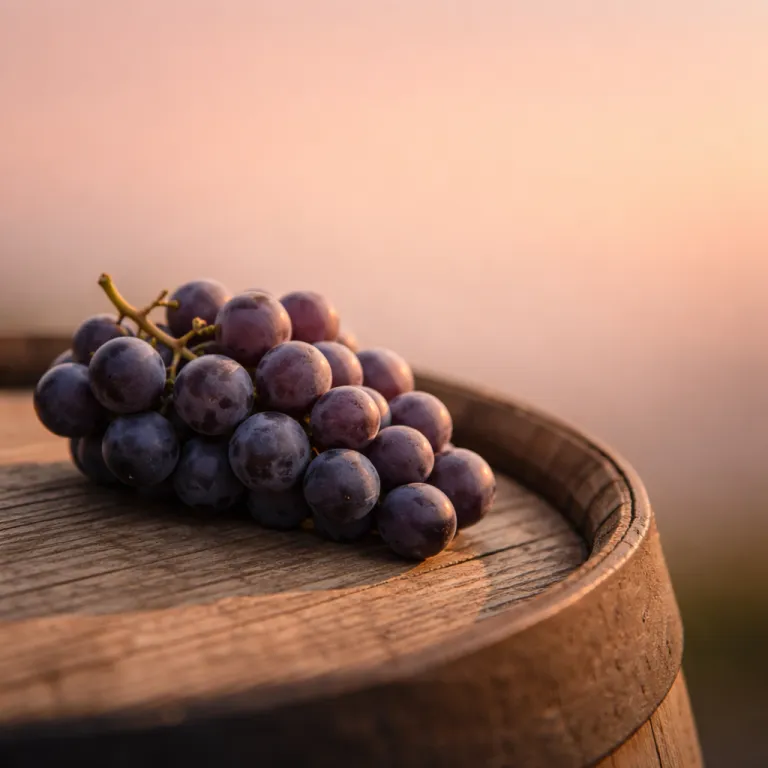
Michelin wine rating Bordeaux: how the new Michelin Grapes system reshapes romantic stays
Michelin wine rating Bordeaux: what three grapes mean for your stay
The emerging Michelin wine rating in Bordeaux is quietly rewriting how luxury travelers plan nights along the Garonne. In 2023, the Michelin Guide announced “Michelin Keys” for hotels and, in parallel, began piloting a winery distinction in France often referred to as “Michelin Grapes.”1 In April 2024, Guide Michelin confirmed that its inspectors had started visiting estates in major French wine regions, including Bordeaux and Burgundy, with a view to publishing the first official list of grape-rated wineries in a future edition of the guide.2 As the Guide Michelin extends its authority from restaurants to wine estates with this new symbol, it gives couples a simple visual code for choosing which château visits genuinely merit a detour. For anyone pairing a five-star hotel with serious Bordeaux wine, the shift is profound.
Under this grapes-based scheme, wineries in the Bordeaux wine region can receive one, two or three grapes, with three grapes reserved for estates that combine outstanding wines, memorable hospitality and strong sustainability credentials. According to Michelin’s early communications, inspectors evaluate agronomy, cellar work, identity and consistency across vintages, so the rating goes far beyond a single year of Bordeaux wines.2 Crucially, only châteaux that welcome visitors at the table and in the cellar are eligible, which means some famous names in France will simply not appear until they open their doors. When three grapes appear beside a château name, travelers can expect both top-quality wines and a polished visit, from the first welcome to the final glass poured at the tasting table.
This is why the phrase “Michelin wine rating Bordeaux” is starting to appear in serious hotel descriptions and concierge notes. A two-grape or three-grapes estate near Saint Emilion suddenly becomes as important to itinerary design as a nearby Michelin star restaurant. For couples who once chased only historic classifications, the smarter move will be to follow the first official grape icons instead of old rankings when choosing where to taste, dine and stay, especially when planning a romantic weekend that blends vineyards, French cuisine and riverfront walks. As the new symbols roll out, the best hotels will quietly reorganize their wine list, lunch menu and tasting menus around grape-rated estates so that every course, from aperitif to dessert, reflects the most exciting addresses in the Michelin Guide.
From stars to grapes: how dining and tasting now interlock
Until now, the Michelin Guide shaped Bordeaux travel mainly through its map of Michelin star restaurants and Bib Gourmand addresses. A hotel concierge would build an evening around a star restaurant, then suggest a casual lunch menu the next day at a bistro with strong French cuisine but no stars. Wine visits were often an afterthought, chosen from glossy brochures rather than any independent Guide Michelin assessment of the cellar, the vines and the welcome. Even in Saint Emilion, where wine and food are inseparable, many visitors relied on word of mouth instead of a structured rating for wineries.
With Michelin Grapes, the same inspectors who know the best restaurants now apply their palate and hospitality criteria to grapes and wines. The official description from the guide explains that Michelin’s new winery rating is “a system awarding one to three symbols to wineries, based on the quality of the wines and the visitor experience.”2 For travelers, that means the wine list at your hotel bar can reference grape ratings with the same confidence it shows for a nearby lunch or dinner reservation at a Michelin star address. In practice, the Guide Michelin becomes a single reference for where to book a table, which château to visit and which bottle to open, whether you are in Bordeaux, Saint Emilion or another French wine town.
In practice, a couple might book a riverfront suite, then alternate evenings between a star restaurant in the city and a château dinner in the vineyards. One night could focus on tasting menus in town, the next on a private table among barrels where grapes will be poured alongside seasonal dishes. A Bib Gourmand bistro might host a relaxed lunch between two winery visits, while a grand dining room showcases the region’s best wines at dinner. The result is a tighter weave between cuisine, wines and place, where Michelin Grapes and Michelin star distinctions speak a shared language and help you move effortlessly from aperitif to dessert, whether you are exploring the Médoc, Saint Emilion or another corner of southwest France.
Designing a Bordeaux itinerary around grapes, stars and hotel keys
For a romantic trip, the most interesting change is how the Michelin wine rating Bordeaux framework simplifies planning across Left Bank, Right Bank and the city itself. Instead of juggling dozens of châteaux, you can anchor your stay around a handful of one-, two- or three-grapes estates that match your style. A hotel booking then becomes the central hinge between vineyard mornings and restaurant evenings, especially when the property also holds a Michelin Key for hospitality and works closely with nearby estates. Couples who care about both bordeaux wine and design can now filter hotels by their access to grape-rated wineries, star restaurants and curated wine lists.
On the Right Bank, a night near Saint Emilion lets you pair a grape-rated estate such as Château Troplong Mondot with a relaxed lunch in the medieval village. Here, the cobbled streets above the limestone plateau make a natural prelude to tasting menus that highlight Merlot-based Bordeaux wine and local dishes. Many couples will appreciate how a short transfer from their hotel brings them from vines to a stone-vaulted restaurant table in minutes, with a wine list that mirrors the estates they visited earlier in the day and a chef who understands how to showcase the region’s grapes. In this part of the wine region, a single day can move gracefully from cellar tour to terrace lunch, then on to a candlelit dinner in town.
Across the river, a stay in the city of Bordeaux works well for travelers who want flexibility. You can sleep near the riverfront, then day trip to grape-rated châteaux while keeping evenings free for the best restaurants in town. Look for properties that maintain close relationships with both a star restaurant and several Michelin Grapes estates, because those partnerships often unlock better tasting appointments, curated wine list selections and seamless transfers between lunch, dinner and late-night glasses at the bar. In many cases, the concierge will know exactly which château, which table and which bottle will suit your pace. A typical 48-hour itinerary might include a morning visit to a two-grapes estate in the Médoc, a Bib Gourmand lunch in the countryside and a refined dinner back in the city at a Michelin star address.
Left Bank, Right Bank and the rise of grape-led routes
On the Left Bank, the classic Médoc drive becomes more focused once grape icons appear beside estate names. Rather than chasing every famous label, you can prioritize a compact sequence of one-grape and two-grapes properties that welcome visitors warmly and align with your preferred style of wines. This is especially useful for couples who want to limit driving distances, enjoy a proper lunch menu at a country restaurant and maximize time at the table instead of in the car, perhaps combining a Bib Gourmand bistro with a more formal dinner later in the week. As grape ratings become visible in the Michelin Guide, hotel teams will be able to sketch clear Left Bank routes that balance tastings, meals and scenic pauses along the estuary.
Right Bank routes around Saint Emilion and Pomerol will likely feel denser, with many small estates competing for attention in the guide. Here, the Michelin wine rating Bordeaux system helps filter by experience: inspectors consider how clearly a winery explains its grapes, how comfortable the tasting room feels and whether the visit suits both novices and seasoned collectors. Hotels that understand this nuance will steer guests toward estates where the chef, sommelier and vineyard team work in visible harmony, often pairing simple French cuisine with precise flights of Bordeaux wines so that each glass tells a part of the estate story. A well-planned day might start with a technical visit at a one-grape château, continue with a village lunch and end with a sunset tasting at a two- or three-grapes estate overlooking the vines.
Some travelers will build a cross-region arc, linking Burgundy–Bordeaux in a single journey that follows both stars and grapes. A week might start among Pinot Noir slopes in Burgundy, then end among Gironde estuaries, with each stop chosen from the same Michelin Guide framework. For couples, that continuity reduces research time and leaves more space for long lunch or dinner conversations over glasses that reflect two great wine region identities, guided by the same Michelin Grapes icons and the familiar language of one, two or three grapes. A Burgundy–Bordeaux route can also highlight how different chefs interpret French cuisine, from rustic dishes in village inns to elaborate tasting menus in city palaces, all anchored by the same red and white wines that first drew you to France.
Gourmet hotel experiences: from spa vines to open Tuesday tables
Inside the hotels themselves, the Michelin wine rating Bordeaux shift is already influencing how chefs and sommeliers design experiences. Properties with serious gastronomic ambitions now curate wine lists that highlight grape-rated estates alongside classic appellations, giving guests a clear sense of which grapes will define their stay. The most thoughtful teams use this to frame tasting flights that move from city aperitif to vineyard depth, often suggesting which Michelin Grapes estates to visit the next day and which restaurant to book for lunch or dinner. In the best cases, the same sommelier who recommends a bottle at dinner will also help you choose which château to visit for a late-morning tasting.
At spa-focused retreats such as Les Sources de Caudalie, where vines surround the pools, the link between wellness and wine becomes more explicit. Couples can spend a morning in the hammam, then head to a nearby château with a strong Michelin-inspired grapes score for a guided tasting that explains how sustainable viticulture shapes both wines and landscape. Back at the hotel, French cuisine at dinner might echo those grapes through sauces, reductions and carefully chosen pairings that showcase the best of Bordeaux wine, with the sommelier highlighting estates that the Michelin Guide has already noticed. Here, a simple lunch on the terrace can feel as considered as a multi-course evening menu, because every dish is designed with the surrounding vineyards in mind.
In the city, pay attention to how hotel restaurants communicate their rhythm, especially if they are only open Tuesday to Saturday for fine dining. A concise lunch menu can be ideal between vineyard visits, while longer tasting menus suit unhurried evenings when you stay in. The best properties treat their restaurant as a stage where Bordeaux wine, regional grapes and seasonal dishes meet under one soft pool of light, with the chef and sommelier using the Michelin Guide as a shared reference when deciding which château to feature by the glass and which bottle deserves a place on the table. When a restaurant is open Tuesday through Saturday, couples can plan their winery visits around those service days, alternating relaxed lunches in the countryside with more formal dinners in town.
Practical tips for couples booking now
For travelers using stay-in-bordeaux.com, the key is to read hotel descriptions through the new lens of the Michelin wine rating Bordeaux ecosystem. Ask whether the concierge can secure visits at one-, two- or three-grapes estates, and whether transfers to Saint Emilion or Médoc are included or arranged. Clarify how the restaurant integrates grape-rated wines into its wine list, especially if you plan a special anniversary table or want to compare a Bib Gourmand bistro with a nearby star restaurant in the city. When possible, request sample tasting menus or a current lunch menu in advance so you can see how the chef works with local produce and regional wines.
Because demand will rise once the first full grape lists publish for Bordeaux and Burgundy, book both rooms and winery appointments well ahead of your travel dates. Focus on a small cluster of châteaux rather than trying to cover the entire wine region, and allow time for a relaxed lunch between visits so the day never feels rushed. Remember that grapes will now signal not only quality but also welcome, so a modestly known estate with two grapes may deliver a warmer experience than a famous name that remains closed to visitors. A simple rule is to plan no more than two winery visits per day, with at least one proper meal where you can sit, taste and talk without watching the clock.
Finally, balance ambition with ease: a memorable Bordeaux stay is less about ticking every star restaurant and more about how gracefully your days flow between vines, city streets and quiet hotel lounges. Let Michelin Grapes guide the structure, then trust your own pace when choosing where to linger over lunch, dinner or a final glass at the bar. In the end, luxury here is not thread count, but texture—the feel of a linen napkin, the sound of corks in a stone cellar, the way a chef sends out one last plate to match the final sip. When the grapes icons, the stars and the Keys all align, the result is a trip that feels both carefully curated and effortlessly relaxed.
Key figures behind the Michelin wine shift in Bordeaux
- Bordeaux is one of France’s most diverse wine regions, with dozens of officially recognized appellations overseen by the Conseil Interprofessionnel du Vin de Bordeaux (CIVB). This diversity gives the Michelin Guide a broad canvas for applying grape-style ratings across Left Bank, Right Bank and Entre-Deux-Mers, from famous names in the Médoc to smaller châteaux around Saint Emilion and Fronsac.
- French regulations permit around 20 grape varieties in Bordeaux, including Cabernet Sauvignon, Merlot, Cabernet Franc and Sauvignon Blanc; Michelin inspectors assess how each château expresses these grapes in its wines and visitor experience, from vineyard practices to the way bottles are presented at the tasting table. As grape ratings appear, travelers will be able to see at a glance which estates best showcase these classic varieties and which visits combine strong wines with an engaging welcome.
Questions travelers also ask about Michelin grapes in Bordeaux
What is the 'Michelin Grapes' rating system ?
The Michelin Grapes rating system is a new framework from the Michelin Guide that awards one, two or three grapes to wineries rather than to restaurants. Inspectors evaluate agronomy, technical mastery, identity, balance and consistency, then consider the quality of the welcome and overall visit.2 Only estates that open their doors to visitors are eligible, which makes the system especially relevant for couples planning wine-focused travel in and around Bordeaux, Saint Emilion and other nearby appellations. In the same way that a Michelin star signals a remarkable restaurant, three grapes will highlight a winery where both the wines and the hospitality stand out.
When will 'Michelin Grapes' be implemented in Bordeaux ?
The first full implementation of Michelin Grapes in Bordeaux is expected to coincide with the guide's expansion into winery ratings for both Bordeaux and Burgundy, following pilot visits announced in 2023 and confirmed in 2024.1,2 While the exact publication date and list of châteaux have not yet been released at the time of writing, Michelin has stated that inspectors are already visiting estates in these regions. Travelers planning future trips should expect grape icons to appear alongside traditional restaurant stars in official guide materials and digital maps. For hotel guests, that timing means concierge teams will soon be able to recommend grape-rated estates with the same confidence they already show for star restaurant reservations and Bib Gourmand suggestions.
What criteria are used in 'Michelin Grapes' evaluations ?
Michelin inspectors apply five main criteria when awarding grapes to a winery: they look at the quality of agronomy in the vineyards, technical mastery in the cellar, the clarity of the estate's identity, the balance of the wines and the consistency across vintages. They also assess the visitor experience, from the clarity of explanations about grapes to the comfort of the tasting room and the professionalism of the team. For travelers, this means a grape rating reflects both what is in the glass and how it is shared at the table, much like a Michelin star reflects both cuisine and service in a restaurant, whether you are enjoying a simple lunch or a multi-course dinner. As the system matures, grape symbols will help visitors compare wineries just as easily as they now compare restaurants in the Michelin Guide.
Selected sources: Michelin Guide official announcement of Michelin Keys; Michelin Guide press and trade communications on winery distinctions and pilot visits in France (2023–2024), including statements confirming inspector visits in Bordeaux and Burgundy; CIVB data on Bordeaux appellations and grape varieties; Vinetur coverage of the Michelin Grapes launch; Paris Gourmet analysis of the winery rating system; public information from Château Troplong Mondot and Les Sources de Caudalie.
1. Michelin Keys: official press release, Michelin Guide, 2023. 2. Winery rating pilot and grapes-based symbols: Michelin Guide trade communications and early media coverage, 2023–2024, confirming inspector visits in Bordeaux and Burgundy ahead of the first published list.