Planning a stay in Bordeaux? Discover why the historic district is the smartest area for premium hotels, with insider tips on locations, room types and who it suits best.
Why the historic district is the smartest place to stay
Stone façades in pale honey, tram bells on Cours de l’Intendance, the Garonne just two streets away ; the historic district of Bordeaux is where the city feels most itself. Staying here places you in the heart of Bordeaux, within the 18th century grid that made the city famous across France. You step out of your hotel and you are already in a film set of limestone, wrought iron balconies and discreet courtyards.
For a first visit to Bordeaux city, this district is the most strategic choice. You are a short walk from the Grand Théâtre on Place de la Comédie, from the miroir d’eau facing Place de la Bourse, and from the narrow lanes leading towards the Quartier Saint-Pierre. A hotel located here means you can discover the city centre on foot, without negotiating ring roads or tram changes. It is the Bordeaux centre that locals actually use, not a museum piece.
The trade-off is clear. You gain atmosphere, architecture and immediate access to the riverfront, but you accept lively streets, occasional late-night noise and compact historic buildings. If you want silence and space above all, you may prefer a larger property just outside the centre Bordeaux area. If you want to feel the city breathing under your window shutters, the historic district Bordeaux is the right answer.
Understanding the different pockets of the historic centre
Rue Sainte-Catherine, Saint-Pierre, Les Grands Hommes ; the historic district is not one single mood. Around Place de la Bourse and the Garonne, the atmosphere is grand and ceremonial, with long quays and wide squares. Hotels located here tend to occupy former maisons de négociants, with high ceilings and tall windows overlooking the river or the classical façades of the 18th century city. It feels formal, almost theatrical.
Move west towards the Grand Théâtre and the triangle des Quinconces–Intendance–Grands Hommes, and the tone shifts. This part of the city centre offers elegant shopping streets, covered passages and calmer side roads. A star hotel here often hides behind a discreet doorway on Rue du Temple or near Place des Quinconces, with rooms looking onto inner courtyards rather than busy tram lines. You are still a minute walk from major sights, but the rhythm is softer.
Further south, the Saint-Pierre district is denser, more intimate. Narrow lanes, small squares, wine bars and restaurants fill the medieval street plan. Hotels Bordeaux in this pocket tend to be smaller, sometimes carved into old townhouses, with fewer rooms and more idiosyncratic layouts. It suits travellers who enjoy a slightly bohemian edge and do not mind hearing the city’s nightlife below. Each micro-area has its own character ; choosing the right one matters more than counting stars.
What to expect from hotels in the Bordeaux historic district
Behind those limestone façades, you will not find a single standard formula. Some properties occupy entire 18th century hôtels particuliers, others just two or three floors above a café or a wine shop. Rooms can be surprisingly generous, with original fireplaces and mouldings, or compact but atmospheric under exposed beams. In many cases, the architecture dictates the room types more than any design concept. That is part of the charm, and sometimes the compromise.
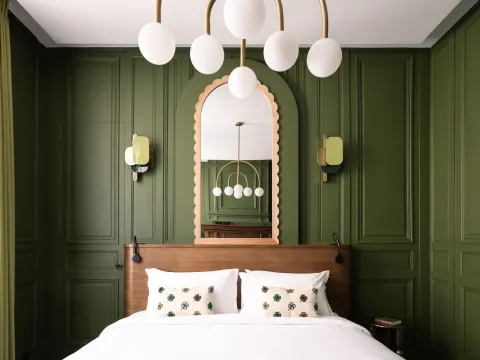
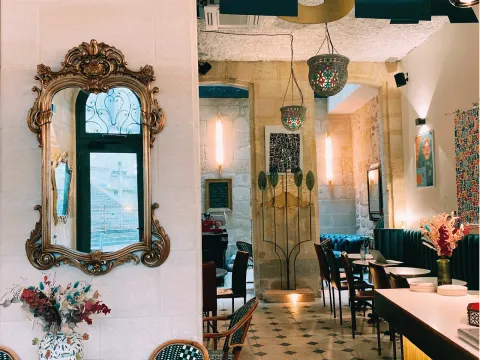
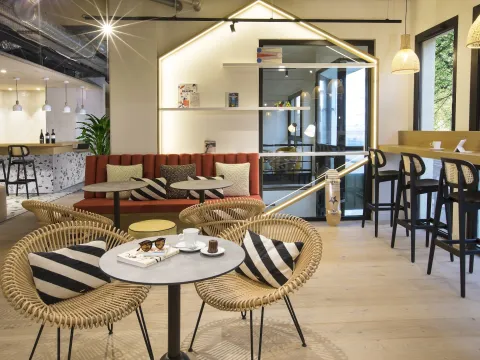
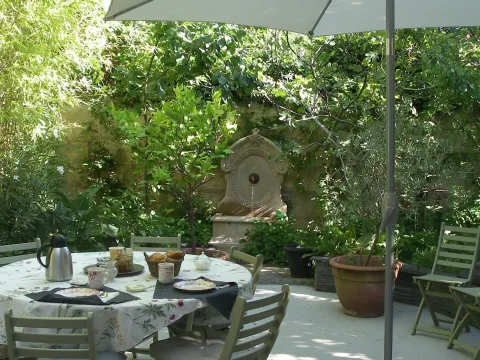
In the historic heart Bordeaux, expect a strong sense of place. Many interiors play with the vocabulary of Bordeaux wine culture ; deep reds, oak tones, framed maps of the Médoc or Saint-Émilion. A city hotel here often offers a small lounge or salon rather than a vast lobby, more maison de ville than resort. Public spaces tend to be intimate, with a few armchairs, a curated selection of books on Bordeaux France, and perhaps a quiet courtyard where you can sit with a glass of local wine before dinner.
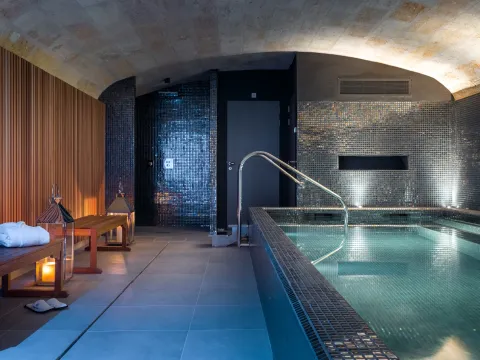
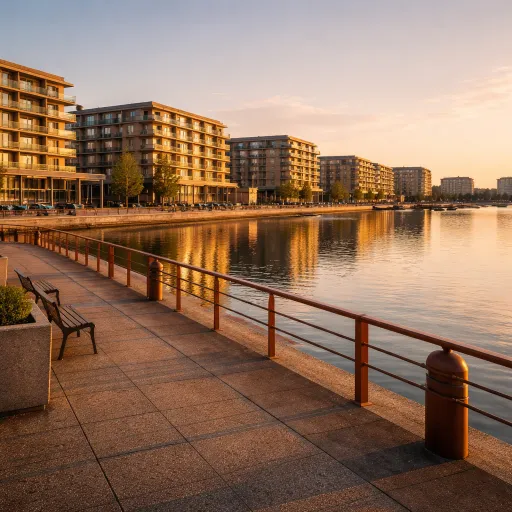
Facilities follow the same logic. You are in a dense urban fabric, not a countryside estate, so you rarely find sprawling gardens or large pools. Instead, you gain immediate access to the city : a minute walk to the tram at Place des Quinconces, a short stroll to the river promenade, a direct route to the Marché des Capucins by tram or on foot. When you book a Bordeaux hotel in the historic district, you are choosing immersion over resort-style seclusion.
Luxury, character and the meaning of “star” in the old town
Star ratings in the Bordeaux historic centre tell only part of the story. A five star hotel in a converted hôtel particulier may offer refined service, generous rooms and thoughtful details, yet have fewer large-scale facilities than a similar category property outside the city. Conversely, a lower-rated address in the historic district can feel more luxurious in daily life, thanks to its location, light and sense of privacy. In this part of Bordeaux city, luxury is often about proportion and discretion rather than size.
Many of the most interesting hotels Bordeaux side with character over uniformity. You might find stone staircases instead of lifts in some wings, or rooms with slightly irregular shapes because the building predates modern planning. Some travellers love this ; others prefer the predictability of a newer construction in a different district. When you compare options, look beyond the official star hotel category and read the building itself. Is it a former maison de négociant, a 19th century immeuble on Cours du Chapeau-Rouge, or a more recent structure behind a historic façade ?
Service style also varies. Some addresses feel like private maisons, with a small équipe and a quiet, residential atmosphere. Others embrace a more classic grand-hotel approach, with formal entrances and larger common areas. Decide what kind of contact you prefer. Intimate and low-key, or structured and ceremonial. In the historic district, both exist within a few hundred metres of each other.
Who the historic district suits best
Early-morning walkers, architecture lovers, wine travellers who want to feel the city between château visits ; these guests are particularly well served by a hotel Bordeaux in the old centre. You can step out at dawn, cross Place de la Bourse while the miroir d’eau is still quiet, and watch the light rise over the Garonne. Later, you can be on a train to Saint-Émilion from Gare Saint-Jean or in a car towards the Médoc within a short transfer, then return to a lively city centre for dinner. It is a strong base for combining vineyard days with urban evenings.
The district also works well for short stays. If you have only two nights in Bordeaux France, staying in the historic heart means you waste no time commuting. Most key sights lie within a 10 to 15 minute walk : the Grand Théâtre, the cathedral on Place Pey-Berland, the riverfront, the shopping streets around the triangle des Quinconces. For travellers who like to explore on foot and return to their rooms several times a day, this density is a real advantage.
Families and light sleepers should choose carefully. Some streets in Saint-Pierre can be noisy late into the night, especially around popular wine bars and restaurants. In that case, look for hotels located on quieter side streets or facing inner courtyards rather than main squares. If you prefer absolute calm, a property slightly outside the most animated lanes, yet still in the broader bordeaux centre, may be a better compromise. The right address in the historic district can feel both central and surprisingly serene.
How to choose and what to check before you book
Street name first, then star rating. In the Bordeaux historic district, the exact location of your hotel often matters more than almost any other factor. A property on a pedestrian lane near Rue Saint-Rémi will feel very different from one overlooking Place des Quinconces or a quieter stretch of Rue du Mirail. When you book, look closely at the map and imagine your daily routes : to the river, to the tram, to your favourite wine bar or restaurant. The best choice is the one that matches your own rhythm.
Room configuration is the next key point. Historic buildings mean variety ; two rooms in the same category can differ in volume, ceiling height or view. If natural light or a specific view over the city centre is important to you, pay attention to descriptions and images. Some rooms face inner courtyards, others look towards the rooftops of the district Bordeaux or towards the Garonne. Think less about abstract rooms prices and more about how you will actually use the space during your stay.
Finally, consider access. If you are arriving by car, check how the hotel des anciens quartiers handles parking in the dense centre Bordeaux area. If you are travelling mainly by tram or on foot, proximity to stops at Place de la Bourse or Place des Quinconces will matter more. For wine-focused stays, easy connections to the riverfront, the station and main departure points for vineyard tours can save you time. In the historic district, the right logistics quietly elevate the whole experience ; not thread count, but texture.
Is the Bordeaux historic district a good area to stay in for first-time visitors ?
For a first stay in Bordeaux, the historic district is usually the best base. You are in the heart of Bordeaux city, within walking distance of major landmarks such as the Grand Théâtre, Place de la Bourse and the riverfront. This area offers a dense concentration of restaurants, wine bars and shops, so you can experience the city fully even on a short trip. The trade-off is more urban energy and sometimes street noise, but the convenience and atmosphere generally outweigh these drawbacks for most first-time visitors.
What is the difference between staying near Place de la Bourse and near Place des Quinconces ?
Staying near Place de la Bourse places you right on the riverfront, close to the miroir d’eau and the medieval lanes of Saint-Pierre. It feels atmospheric and lively, with many restaurants and bars nearby. Around Place des Quinconces, the mood is slightly more spacious and formal, with broad squares, the tram hub and easier access to the shopping streets of the triangle des Grands Hommes. Both are central ; the riverfront is better for evening strolls and old-town charm, while Quinconces suits travellers who value transport connections and a bit more breathing room.
Are hotels in the historic centre suitable for families ?
Many hotels in the Bordeaux historic centre can work for families, but you need to choose carefully. Historic buildings often have varied room layouts, so it is important to check whether they offer connecting rooms, larger suites or extra beds. Families who go to sleep early may prefer quieter streets slightly away from the busiest parts of Saint-Pierre. If you plan to use a pushchair, also consider that some properties have staircases or compact lifts due to the age of the buildings.
Is it easy to explore the Bordeaux wine region from the historic district ?
Yes, the historic district is a practical starting point for wine excursions. You can reach Gare Saint-Jean by tram or taxi for trains to Saint-Émilion and other wine towns, and many organised vineyard tours depart from central meeting points near the city centre. After a day among the vines, returning to a hotel in the old town lets you enjoy Bordeaux’s restaurants and wine bars on foot. This combination of vineyard access and urban life is one of the main advantages of staying in the historic heart.
How far is the historic district from Bordeaux airport ?
The Bordeaux historic district lies roughly 30 to 40 minutes from Bordeaux–Mérignac Airport by car or taxi, depending on traffic. Public transport connections involve a tram or bus combination and take longer, so travellers with heavy luggage or limited time often prefer a direct transfer. Once you arrive in the old town, most hotels are within a short walk or a brief tram ride from central stops such as Place de la Bourse, Quinconces or Hôtel de Ville.