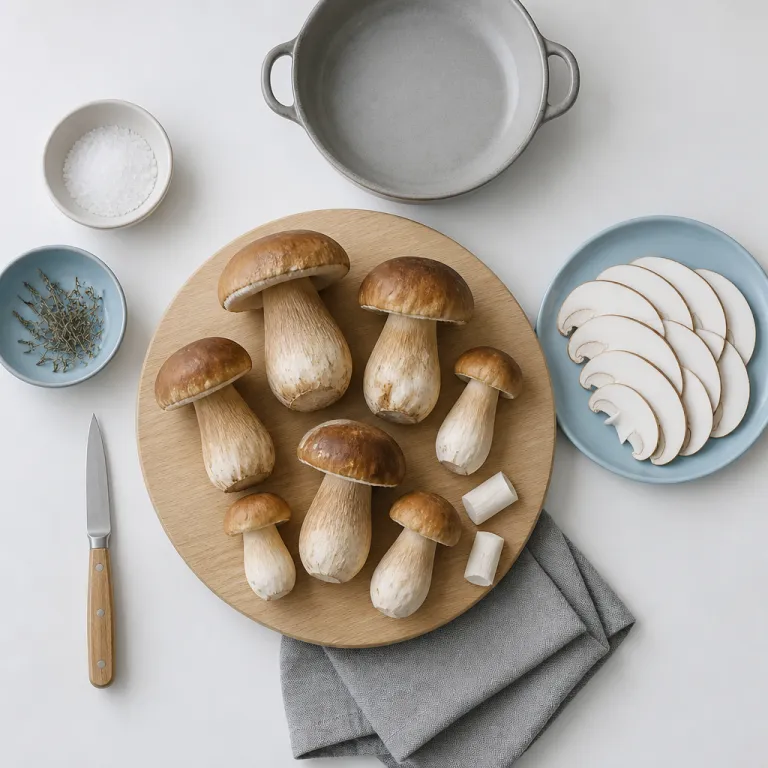
Bordeaux cepes autumn gastronomy begins in the Gironde forests
Late August in Bordeaux feels like someone quietly flips a switch. As the first rain cools the pine forests of the Gironde, bordeaux cepes autumn gastronomy steps into focus and summer tomatoes retreat. The city’s serious kitchens start talking about mushrooms before they even mention wine.
Cepe season in this part of France usually runs from late August through November. It peaks when the air turns sharp, the days shorten, and the forest floor around Saint-Symphorien and Hostens fills with porcini mushrooms carried in woven baskets. For travelers booking luxury hotels in Bordeaux, this is the moment when menus, markets and even room service change their language from seaside to undergrowth.
Locals rarely say porcini ; they say cèpes, and they say it with a small smile. These mushrooms are the backbone of fall French cuisine in the region, as central as red wines or oysters from Cap Ferret. When the first cèpes arrive, chefs talk about texture, not garnish, and the whole conversation about food and wine shifts from light to red.
In bordeaux cepes autumn gastronomy, the mushroom is not a side note. A single thick slice of porcini, pan sauteed in olive oil with shallots, garlic, and fresh parsley, can anchor a plate as confidently as any steak. The best kitchens in Bordeaux understand that tannins will respond differently to a cèpe than to meat, and they build wine pairing flights accordingly.
For guests choosing a luxury address, this season opens window after window onto local life. A concierge who knows which forager just came back from the Gironde woods is as valuable as one who can secure a table in Saint-Émilion. In this city, autumn mushrooms Bordeaux style are a form of hospitality, not just food.
From market stalls to hotel menus: how autumn resets the city
Walk into Marché des Capucins on a warm September morning and you feel the pivot. The stalls that once overflowed with peaches now stack crates of cèpes, girolles and other mushrooms, while bordeaux cepes autumn gastronomy hums between the fishmongers and the butchers. At Les Halles de Bacalan, the same shift plays out under glass and steel, with porcini mushrooms lined up like small sculptures.
At both markets, the change is not only visual ; it is architectural. Pyramids of cèpes bordelaise ready specimens sit beside bunches of fresh parsley, garlic, and shallots, garlic skins catching the light like paper. You will see handwritten signs explaining how to sauté the mushroom in olive oil, when to add olive oil again, and at which minutes add a splash of red wine to deglaze.
Luxury hotel chefs shop these markets early, often before guests have ordered their first coffee. They are looking for mushrooms Bordeaux hunters brought in at dawn, for the right size of porcini whose flavors will stand up to structured red wines from Saint-Émilion. If you care about where your food comes from, this is where your room rate quietly meets the forest floor.
For travelers comparing elegant stays in Bordeaux, it is worth asking how closely a property works with these markets. Some of the city’s most refined addresses, the kind profiled in guides on how to choose the right hotel for your trip in Bordeaux, send their chefs or sous-chefs personally to Capucins several times a week. Others rely on trusted suppliers who curate the best of the Gironde’s mushrooms and wines.
The result appears on menus as soon as the first real cold evening arrives. A simple plate of cèpes sautéed in olive oil with garlic parsley and black pepper might sit beside a more elaborate fall French game dish, both calibrated for precise food wine balance. In this city, the market is not a backdrop ; it is the script.
Inside the foragers’ network: the quiet economy of wild mushrooms
Behind every perfect slice of porcini on your plate lies a chain of hands. In the Gironde, bordeaux cepes autumn gastronomy depends on a semi formal network of foragers, small traders and chefs who speak a shared language of soil, rain and risk. This is not a romantic story ; it is a disciplined, almost competitive activity.
At dawn, cars pull up near the pine forests south of Bordeaux, their drivers heading into the undergrowth with baskets and knives. Some are professionals who know every hollow where porcini mushrooms tend to appear, others are retired locals who treat mushroom season as a second profession. By mid morning, they are at Marché des Capucins, where the working market comes alive long before most hotel guests arrive, a rhythm captured in guides to Bordeaux’s early morning food culture.
Chefs from luxury hotels and serious restaurants move quickly through this scene. They are looking for firm, dry cèpes with pale, unblemished pores, the kind that will hold their shape when sauteed in olive oil and finished with shallots, garlic and fresh parsley. Prices shift daily, and the best mushrooms rarely last more than a few minutes on the stall.
This informal economy shapes what appears on high end menus across Bordeaux and Saint-Émilion. When the forests are generous, you will see cèpes bordelaise style everywhere, from simple bistros to palace level dining rooms, often paired with structured red wines whose tannins will soften against the mushroom’s richness. When the weather turns against the foragers, chefs pivot to other fall French ingredients such as early game or truffles from Périgord.
For travelers, understanding this network changes how you read a menu. A dish that mentions mushrooms from the Gironde or porcini from local forests is not a flourish ; it is a signal of proximity to the source. In Bordeaux, the distance between pine needle and porcelain plate can be measured in minutes, not kilometers.
How luxury hotel dining rooms stage the season
Step into a grand dining room on the Quai des Chartrons in late September and the mood has shifted. Linen still glows, stemware still catches the light, yet bordeaux cepes autumn gastronomy has quietly taken over the script from summer seafood. The first hint is often a small amuse bouche built around a single slice of mushroom.
Many luxury hotels in Bordeaux now build autumn tasting menus around forest produce. A typical sequence might begin with a cèpe carpaccio brushed with olive oil, scattered with shallots, garlic and fresh parsley, then move to a richer course of porcini mushrooms sauteed in butter and finished with black pepper and a veil of jus. Later, game birds arrive, their sauces deepened with mushroom stock and a reduction of red wine from Saint-Émilion.
Wine pairing in these rooms is not an afterthought. Sommeliers think in terms of how tannins will respond to the texture of mushrooms, choosing younger red wines with bright acidity for lighter cèpe dishes and older bottles for more concentrated sauces. In some properties, you might taste both left bank and right bank wines against the same mushroom course, a quiet masterclass in Bordeaux’s geography.
For solo travelers, the bar counter or small chef’s table can be the best seat in the house. You watch as cooks add olive oil to a pan, wait two minutes, add sliced porcini, then minutes add a spoon of stock and a dash of red wine, the whole thing finished with garlic parsley. This is where bordeaux cepes autumn gastronomy becomes choreography rather than recipe.
Some hotels extend the experience beyond the plate. A few arrange guided market visits followed by cooking demonstrations, while others curate editorial style content about superior rooms and culinary stays, similar in spirit to features on how superior rooms blend comfort and style for discerning travelers. In every case, the message is the same ; in Bordeaux, luxury is measured in the precision of your mushroom, not just the softness of your sheets.
Where to eat cèpes: from simple persillade to deconstructed art
Not every traveler wants a ten course tasting menu, and Bordeaux respects that. The city offers two parallel paths through bordeaux cepes autumn gastronomy ; one rooted in simple, almost austere preparations, the other in high concept plates that treat the mushroom as sculpture. Both are worth your time.
On the traditional side, look for brasseries and wine bars that serve cèpes à la bordelaise. The classic version involves thick slices of mushroom sauteed in olive oil or butter, then finished with shallots, garlic, fresh parsley and a grind of black pepper, sometimes with breadcrumbs for texture. Paired with a glass of supple red from a nearby appellation, this is mushrooms Bordeaux in their most honest form.
In Saint-Émilion, some cellars offer seasonal food and wine lunches where porcini mushrooms appear alongside vertical tastings. A simple plate of cèpes bordelaise style might sit next to a flight of red wines, allowing you to feel how tannins will soften as the mushroom’s flavors deepen. Here, the village’s medieval stones and the forest’s undergrowth share the same table.
At the other end of the spectrum, Michelin starred kitchens in Bordeaux and along the road to Cap Ferret treat the cèpe as a modular element. You might see porcini turned into a translucent gel, a roasted cap filled with mushroom duxelles, or a foam that opens window like aromas of humus and nuts over a plate of game. In these rooms, fall French cuisine becomes a kind of edible architecture.
For planning, skip the glossy brochures and look instead at how properties talk about their cuisine, their local suppliers and their approach to seasonal menus. Serious hotels in Bordeaux tend to communicate with the same clarity they bring to their plates, whether through a quiet concierge recommendation or a simple contact option such as a Pinterest, email or phone link. In a city where bordeaux cepes autumn gastronomy sets the tone, the best stays feel curated from forest to glass.
FAQ
When is the best time to experience cepe season in Bordeaux ?
In the Gironde, cepe season typically runs from late August through November, with the most reliable peak between September and October. During this period, markets such as Marché des Capucins and Les Halles de Bacalan fill with fresh mushrooms, and luxury hotel restaurants reshape their menus around cèpes and other autumn produce. If you want the widest choice of porcini based dishes, aim for a stay between mid September and late October.
Which Bordeaux markets are essential for autumn mushrooms ?
Marché des Capucins is the working heart of Bordeaux’s food scene and the first place where you will see the shift to autumn mushrooms. Les Halles de Bacalan, near the Cité du Vin, offers a more polished environment but still reflects the same seasonal rhythm, with porcini mushrooms, girolles and other forest produce on display. Both markets supply many of the city’s luxury hotels and high end restaurants during cepe season.
How do Bordeaux chefs typically prepare cèpes in autumn ?
The most traditional preparation is cèpes à la bordelaise, where thick slices of mushroom are sautéed in olive oil or butter, then finished with shallots, garlic, fresh parsley and black pepper. Many chefs also grill or roast porcini to concentrate their flavors, sometimes adding a splash of red wine to the pan for depth. In fine dining rooms, you will see cèpes used in carpaccio, veloutés, and complex tasting menu dishes paired with structured red wines.
What wine styles pair best with porcini dishes in Bordeaux ?
Porcini mushrooms have a deep, earthy profile that works well with medium to full bodied red wines from Bordeaux, especially those with balanced tannins and good acidity. Sommeliers often choose reds from Saint-Émilion or nearby right bank appellations for cèpes bordelaise dishes, while lighter preparations can also work with aged whites or subtle dry whites from the region. The key is to match the intensity of the mushroom dish with the structure of the wine so that the tannins will support, not overpower, the flavors.
How can I choose a hotel in Bordeaux that takes autumn gastronomy seriously ?
Look for hotels that highlight their relationship with local producers, mention seasonal menus, and reference markets such as Marché des Capucins or Les Halles de Bacalan in their materials. Properties that offer tasting menus, wine pairing experiences, or chef led market visits are usually more engaged with bordeaux cepes autumn gastronomy. When in doubt, ask directly whether their restaurant features cèpes and other autumn specialties during your travel dates.