A bacalan district bordeaux guide for hotel guests who like edges
Bacalan sits at the northern edge of Bordeaux city, where the Garonne River widens and the cranes once outnumbered cafés. This bacalan district bordeaux guide is for travelers who prefer a room with a story to a room with a slogan, and who want a luxury stay that still feels plugged into a working port. Stay here and you read the recent history of France in concrete, glass and the slow curve of the Port de la Lune.
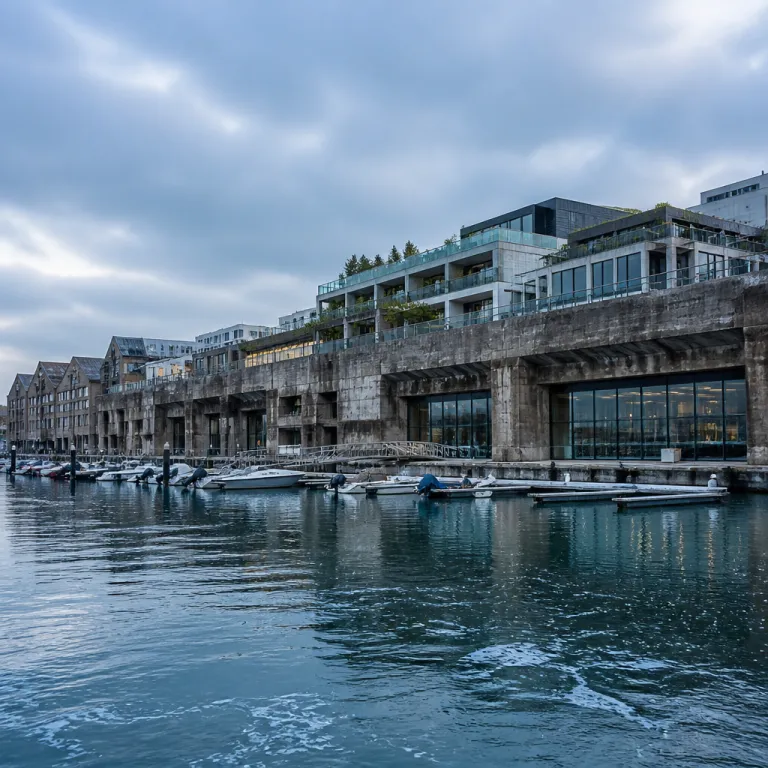
From your hotel in the new Bassins à flot quarter, the walk between La Cité du Vin and the Bassins des Lumières is the spine of any serious bacalan district bordeaux guide. You trace the old industrial base of the city, pass the converted warehouses, and watch how Bordeaux wine culture, maritime heritage and contemporary architecture now share the same quay. The Garonne River is not just scenery here ; it is the reason this port exists, the reason the German Navy built a submarine base, and the reason the district still feels like a threshold between Bordeaux city and the wider Europe beyond.
Luxury travelers used to focus on the historic center around Place de la Bourse, the Grand Théâtre and the Miroir d’Eau, leaving Bacalan as a name on a tram map. That is changing fast, and any honest bacalan district bordeaux guide now treats the district as a stayable place, not just a day trip from the city center. You still sleep in refined French linens, but you wake up to cranes, silos and the low hum of a port that never entirely went away.
Sleeping in Bacalan while the historic center stays within reach
Choosing a luxury hotel in Bacalan is a statement ; you are trading postcard views of the UNESCO heritage façades for proximity to the Bassins à flot docks and the Garonne River. From here, the tram or water bus folds the distance to the historic center, so you can spend the morning under the colonnades of Place des Quinconces and the afternoon among concrete bunkers. It is an elegant compromise between the polished heritage site of central Bordeaux and the rawer energy of the port.
Many travelers still default to addresses around the Grand Théâtre and Place de la Bourse, where the limestone glows and the city center feels like a French drawing room. That makes Bacalan a quieter choice for premium stays, especially if you prefer space, river light and a sense of the working city rather than only the curated Bordeaux wine narrative. For a contrasting stay, some guests split nights between a central palace like the discreet five star near the Jardin Public and a few nights in Bacalan, using a refined property that sits politely outside the centre as a bridge between worlds ; think of options in the spirit of a five star that deliberately steps back from the crowds.
From a planning perspective, note the tram and Bat³ water bus hours, because late returns from dinners in Saint Michel or the old port quarter require a little foresight. The distance from Bacalan to the heart of Bordeaux city is short in kilometres, but long in atmosphere, which is precisely the appeal. You are close enough to walk the quays to the Miroir d’Eau, yet far enough to feel the industrial base and the port moon curve around you at night.
Bassins des Lumières and the submarine base that shaped the district
The Bassins des Lumières is the reason many travelers finally cross the lift bridge and take Bacalan seriously. Housed in the former submarine base on Boulevard Alfred Daney, this immense concrete structure was built by the German Navy during the Second World War to shelter U boats from Allied attacks. Today, the City of Bordeaux owns and manages the site as a cultural venue, turning a wartime scar into one of the most compelling contemporary art spaces in south west France.
The numbers matter here ; the base stretches roughly 235 metres, with 11 submarine pens and around 600 000 cubic metres of concrete, which explains the almost cathedral like acoustics inside. Immersive digital exhibitions are projected across the water filled bassins, and the rotating programme means every visit rewrites your mental bacalan district bordeaux guide. As one official description puts it, “A WWII German-built structure now used for art exhibitions.” and “Contemporary art exhibitions and immersive digital art shows.” — a concise summary of how Bordeaux handles its more difficult history.
For hotel guests, the practical side is simple ; check the official Bordeaux website or the dedicated Bassins des Lumières website for current exhibitions and ticket hours, then book a timed slot to avoid queues. Wear comfortable shoes, because the walkways along the bassins are long, and the cool interior can feel like a relief after a hot day exploring the city center and the Port de la Lune quays. When you step back outside, the contrast between the brutalist base and the new housing around the Bassins à flot tells you more about the evolution of Bordeaux city than any wine museum tour ever could.
Between Cité du Vin and the Halles : eating, walking, watching the river
Most visitors arrive in Bacalan for La Cité du Vin, the global wine museum that has already been dissected in every Bordeaux guide. The real pleasure, though, lies in what happens when you turn your back on its gleaming curves and follow the quay north towards the Bassins à flot and the Bassins des Lumières. This is where a bacalan district bordeaux guide becomes less about Bordeaux wine labels and more about how a French port city retools itself without erasing its past.
The Halles de Bacalan sit almost opposite La Cité du Vin, a covered market that feels like a compact, river facing cousin of the Marché des Capucins near Saint Michel. Capucins still wins for sheer scale, produce variety and the sense of old Bordeaux shouting across the aisles, but the Halles do seafood better, with daily oyster deliveries and counters that lean into the maritime history of the port. Aim to arrive on Saturday before noon, when the atmosphere peaks, the glasses of vin blanc start clinking and the terrace becomes a front row seat on the Garonne River.
After lunch, walk the quay towards the lift bridge and watch how the housing changes from converted warehouses to new build blocks facing the water, each address a small essay on what “new Bordeaux city” wants to look like. This is also the moment to think about where you will drink later ; some of the most interesting hotel bars in the city now send guests here after service, and guides to where Bordeaux’s best drinking happens after service often read like a map of subtle, river facing rooms. The walk back towards the historic center, with the Port de la Lune curve leading you to the Miroir d’Eau and Place de la Bourse, feels like a slow fade from industrial to theatrical.
Garage Moderne, Bat³ and the quiet literary turn of an industrial city
Step a few streets back from the river and Bacalan changes register again, away from the polished quays and into a grid of workshops, social housing and small cultural spaces. Garage Moderne is the key address here, a hybrid between repair shop, community hub and cultural venue that anchored the neighbourhood’s pivot long before the luxury hotels arrived. It is the kind of place that reminds you this is still a living French city, not a stage set built only for visitors.
From a hotel in Bacalan, the most civilised commute into the city center is the Bat³ water bus, which glides along the Garonne River between the Bassins à flot and the Port de la Lune. This is the only Bordeaux commute worth doing purely for the view, as the façades of the UNESCO heritage site slide past, from the Grand Théâtre area to the arches of Place des Quinconces and the reflective sheet of the Miroir d’Eau. You see the historic center as sailors once did, from the water, which makes the limestone look less like a postcard and more like a working port frozen at its most confident century.
Back on land, the tram takes you easily to Saint Michel, the city center shopping streets and the older wine bars that predate the current wave of design led openings. Use the morning for these classic Bordeaux city circuits, then retreat to Bacalan in the late afternoon, when the light on the Bassins à flot and the old submarine base turns a soft grey. It is in these in between hours that the district feels almost literary, as if the port, the heritage site and the new apartments are all characters in a novel about how Europe’s old trading cities learn to live with their own reflections.
How Bacalan fits into a wider Bordeaux stay
For a first visit to Bordeaux, it is tempting to stay only within the golden triangle of the city center, ticking off the Grand Théâtre, Place de la Bourse and the Miroir d’Eau. A more interesting strategy is to treat Bacalan as a complementary base, especially if you are booking a longer stay and want both the UNESCO heritage postcard and the working port narrative. Think of your itinerary as a loop between the historic center, the Port de la Lune curve and the Bassins à flot, with your hotel choice anchoring how you move through that loop.
Morning can belong to the classic Bordeaux wine story, whether that means a visit to a wine museum, a stroll through the limestone streets of the historic center or a café stop near Place des Quinconces before the city fully wakes. Late morning and lunch hours are perfect for the Halles de Bacalan, where seafood counters and glasses of vin from across France make a persuasive case for staying on this side of the river. Afternoon is when the Bassins des Lumières and the submarine base come into their own, the cool interior offering a different reading of Bordeaux history than any château visit outside the city.
Evenings are where hotel location really matters ; from Bacalan you can head upriver for dinner in Saint Michel, or stay local and explore the newer bars around the Bassins à flot that rarely make it into older guides. When your hotel does not offer an inspiring breakfast, follow the addresses where local hoteliers send their own guests, using curated lists such as where Bordeaux’s hoteliers send you for breakfast as a quiet filter. In the end, Bacalan proves that luxury in Bordeaux is no longer only about thread count ; it is about texture, context and the view from the quay at low tide.
FAQ
How do I get from Bacalan to the Bordeaux historic center ?
From Bacalan, the easiest routes to the historic center of Bordeaux city are the tram and the Bat³ water bus along the Garonne River. The tram connects the Bassins à flot and La Cité du Vin area directly to stops near the Grand Théâtre, Place des Quinconces and Place de la Bourse. The Bat³ offers a slower, scenic trip along the Port de la Lune curve, passing the UNESCO heritage façades before docking near the city center.
What is the Bordeaux submarine base and can I visit it ?
The Bordeaux submarine base in Bacalan is a massive concrete structure built by the German Navy during the Second World War to protect submarines in the port. It has been transformed into the Bassins des Lumières, an immersive art venue that hosts large scale digital exhibitions projected over water filled basins. You can visit by checking the official website for current exhibitions, opening hours and ticket options, then reaching the site by tram, bus or taxi from your hotel.
Is Bacalan a good area to stay for a first trip to Bordeaux ?
Bacalan works well for travelers who want a mix of contemporary architecture, river views and easy access to major cultural sites like La Cité du Vin and the Bassins des Lumières. It is slightly removed from the busiest streets of the historic center, but tram and water bus links keep the Grand Théâtre, Saint Michel and the main city center squares within comfortable reach. If you enjoy staying in evolving neighbourhoods with a strong sense of port history, Bacalan is an excellent base.
How does the Halles de Bacalan compare to the Marché des Capucins ?
The Halles de Bacalan is a modern covered market near the Garonne River, known for its seafood counters, daily oyster supply and compact selection of high quality French produce. The Marché des Capucins, closer to Saint Michel, is larger and more traditional, with a wider range of stalls and a louder, more chaotic atmosphere that reflects the older face of Bordeaux city. Many visitors pair both, using the Halles for a refined lunch in Bacalan and Capucins for a deeper dive into local market culture.
Do I need to book tickets in advance for Bassins des Lumières ?
Advance booking for the Bassins des Lumières is strongly recommended, especially during weekends and holiday periods when exhibitions attract large numbers of visitors. Timed tickets help regulate entry into the former submarine base, ensuring that the immersive projections can be enjoyed without overcrowding. Checking the Bordeaux website or the venue’s own website before your trip allows you to align your visit with other plans in Bacalan and the wider city.