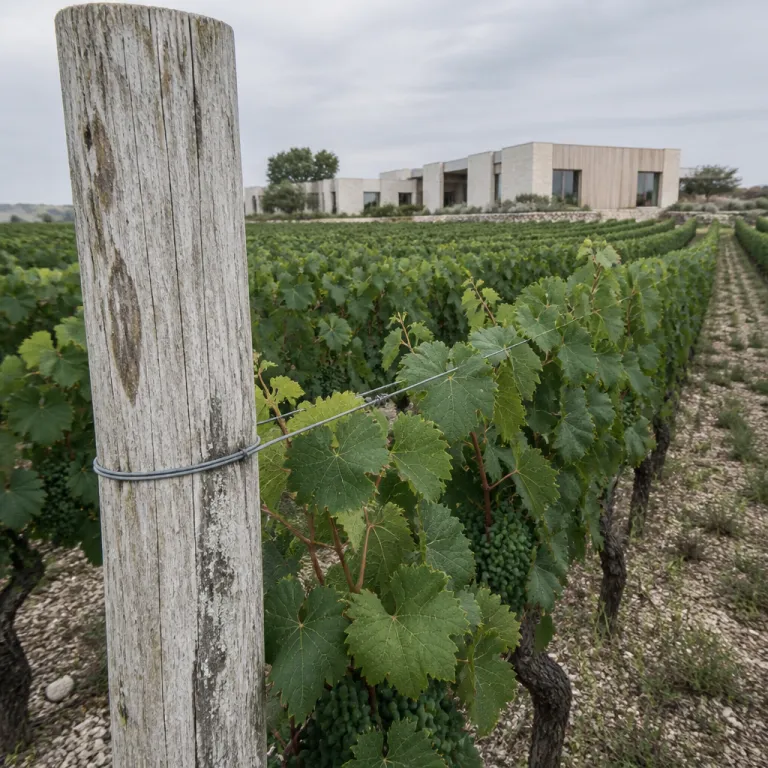
Why a bordeaux harvest veraison vineyard visit belongs in your travel plans
Mid August in Bordeaux is not about noise, it is about suspense. The vineyards sit between flowering and harvest, a bordeaux harvest veraison vineyard visit opens window onto the most fragile days of the season. Colour creeps into the grapes while the region holds its breath.
Veraison is the moment green grapes blush into red and gold, and it is when wine country feels both exposed and cinematic. You walk through vines hectare after vines hectare where half the bunch is still hard and pale, while the other half hints at future red wine and white wines with high acidity and precision. This is the best time for couples who care about wine quality and quiet to plan a visit before the harvest chaos begins.
Luxury hotels in Bordeaux understand this rhythm of the region and quietly shape their offers around it. A well planned bordeaux harvest veraison vineyard visit means you can sleep in the city, then slip out to the left bank or the right bank vineyards before the heat peaks. The weather averages around 25 °C in August, but climate change has pushed some days above 30 °C, which changes both the grapes and the way you will want to move through the vines.
Local viticulteurs, vineyard workers and winemakers treat this pre harvest period as a final exam. Official guidance is clear : “When does the Bordeaux grape harvest begin? Typically late August to September. What is veraison? The onset of grape ripening. Why is mid-August important for vineyards? It's the final ripening phase before harvest.” For travellers, that same window is the best moment to see the bordeaux wine landscape at work without the machinery and trucks that dominate the later harvest season.
How veraison reshapes luxury stays and wine tours around Bordeaux
From a hotel booking perspective, the bordeaux harvest veraison vineyard visit is a sweet spot. Rooms in the best city addresses remain available, while the great estates of the region are still calm enough to welcome a considered wine tour. You avoid the full harvest rush yet stay close to the action as grapes move from hard acidity toward ripe cabernet and sauvignon expression.
On the left bank, properties near Pessac Léognan and the wider Graves area balance urban comfort with wine country immersion. A couple can wake up in central Bordeaux, then reach the vineyards of Haut Brion and other Pessac Léognan neighbours in under 30 minutes, which makes a half day wine tour feel effortless. Because harvest has not started, estate restaurants and hotel dining rooms tend to keep regular hours, though private dining sometimes shifts earlier in the evening to match vineyard workers’ schedules.
Veraison also changes how sommeliers and concierges talk about wines Bordeaux wide. Tasting flights lean into comparisons between cabernet sauvignon, cabernet franc and merlot from different wine regions, while white wines based on sauvignon blanc and sémillon show how high acidity translates into freshness in the glass. If you want to understand what en primeur tasting notes really mean, pairing your stay with the analysis in this guide to what en primeur week just told us about Bordeaux helps frame what you are seeing in the vines.
Climate change has pushed some estates to start selective harvests earlier, especially for sparkling bases and certain white wines. That shift makes the mid August veraison period even more precious for visitors, because it may be the last truly quiet stretch before tractors, sorting tables and picking teams dominate the landscape. For couples seeking a romantic, sustainable escape, this is the season when you can still walk between rows, hear the insects and feel the weather without the soundtrack of machinery.
Walking Pessac Léognan at veraison : from city stone to vines
A bordeaux harvest veraison vineyard visit feels particularly intimate in Pessac Léognan. Here, the city’s limestone façades give way quickly to orderly vineyards, and the contrast between tram lines and vines hectare after vines hectare is part of the charm. You can leave a luxury hotel near the Garonne, and within a short taxi ride you are standing among cabernet sauvignon and sauvignon blanc rows that have shaped Bordeaux wines for centuries.
Plan a morning walk that starts near Château Haut Brion, then arcs south toward smaller Pessac Léognan estates that welcome visitors on foot. At veraison, the grapes show mottled skins, with cabernet franc clusters often turning first, while later ripening cabernet sauvignon berries still hold a firm, high acidity core. Estate guides will point out canopy management, irrigation control and pest monitoring systems, and some properties now use drones and weather stations to track how climate change is altering the season’s pace.
Because this is still pre harvest, paths between the vineyards remain open and relaxed. You may see vineyard workers checking grapes rather than cutting them, and viticulturists walking the rows to judge quality rather than yield. For a deeper Médoc contrast later in your trip, pair this Pessac Léognan walk with a stay focused on Saint Julien, using this insider look at the Médoc appellation you stay in, not just visit as a planning tool.
Luxury hotels in Bordeaux city centre can arrange private drivers who understand both the left bank geography and the etiquette of visiting working vineyards during this sensitive season. They know when a quiet lane near Haut Brion is appropriate for a stroll, and when a particular parcel is off limits because the grapes are at a crucial ripening stage. That local knowledge is what turns a simple walk into a layered reading of the landscape, where every row tells you something about the coming harvest.
The sensory script : heat, scent and the quiet tension before harvest
By mid August, a bordeaux harvest veraison vineyard visit is as much about smell as sight. At around 25 °C, with spikes toward 30 °C in late summer, the vineyards exhale a mix of warm earth, crushed leaves and faint fermenting fruit. Stand still for a moment and the weather writes its own tasting note.
In Pessac Léognan and across the wider Bordeaux region, the sandy and gravelly soils radiate stored heat back toward the grapes. That warmth lifts aromas of wild herbs and dust, while the first soft berries hint at the future profile of red wine and white wines you will later taste in the château salons. On cooler spring mornings or during winter pruning, the same parcels feel austere and linear, but at veraison they open a more generous, almost tropical register that explains why sauvignon blanc from these wine regions can show both citrus and stone fruit.
Luxury and premium hotels that take sustainable travel seriously now build these sensory details into their experiences. Instead of only offering a standard wine tour, they may suggest an early evening walk through nearby vineyards, followed by a tasting of wines Bordeaux is currently ageing in their cellars, framed by a discussion of climate change and its impact on high acidity and alcohol balance. For couples, that shift from passive tasting to active observation turns a simple visit into a shared narrative, where you can trace the line from warm gravel underfoot to the structure of a cabernet sauvignon in your glass.
Even the city responds to this pre harvest tension. Wine bars along the Garonne and in side streets off Cours de l’Intendance pour both classic Bordeaux wine and bottles from the Loire Valley, inviting you to compare how different wine regions handle similar grapes. The best addresses lean into this comparative approach, letting you taste how sauvignon from the Loire Valley differs from sauvignon grown on the left bank, and how cabernet franc expresses itself when the climate is cooler and the vines hectare density changes.
Planning a sustainable, wine led stay around veraison
For a couple planning a bordeaux harvest veraison vineyard visit, the key is to treat the vines as the main event and the hotel as a thoughtful base camp. Start by booking your Bordeaux stay several months ahead, because the best rooms with vineyard views or easy left bank access go first. Then layer in one or two focused wine tour days rather than trying to cover the entire region in a single sweep.
Choose properties that are transparent about their sustainability practices, from energy use to partnerships with organic vineyards. Many now work closely with local cooperatives and agricultural advisors, supporting estates that experiment with lower intervention farming, careful irrigation control and reduced chemical inputs in response to climate change. When you book, ask concierges which nearby estates welcome small groups during the pre harvest period, and whether they can arrange walks that respect both the vines and the people who tend them.
To deepen your understanding of how Bordeaux is rethinking its future, set aside an evening to explore the natural and low intervention wine scene in the city. This guide to the natural wine side of Bordeaux is a useful starting point, especially if you want to compare classic classified growths with more experimental wines. Tasting across styles, from structured cabernet blends to lighter, high acidity cuvées, will help you read the vineyards you walked earlier in the day with a more critical, curious eye.
Seasonality should shape your packing as much as your palate. In late summer, light clothing, a hat and comfortable shoes are essential for walking between rows, while a thin layer helps when a sudden Atlantic breeze cools the evening. If you return in spring or winter, the same landscapes feel sharper and more skeletal, but the memory of that August afternoon among half green, half purple grapes will stay with you, a reminder that luxury in wine country is not thread count, but texture.
FAQ
What is veraison and why does it matter for travellers ?
Veraison is the onset of grape ripening, when berries change colour and begin to soften. For travellers, this mid August phase offers a visually striking landscape and calmer estates than during full harvest. It is the ideal moment for a bordeaux harvest veraison vineyard visit focused on walking, learning and tasting without crowds.
When is the best time to plan a bordeaux harvest veraison vineyard visit ?
Veraison in Bordeaux usually runs from late July into mid August, with slight variations between appellations and grape varieties. Planning your stay for the first half of August maximises your chances of seeing grapes in transition on the left bank and around Pessac Léognan. Booking early helps secure the best luxury and premium hotel options close to the vineyards you want to explore.
How does harvest affect luxury hotel and restaurant operations in Bordeaux ?
During full harvest, some estate restaurants reduce hours or close briefly as teams focus on bringing in grapes at peak quality. Luxury hotels in Bordeaux city and nearby wine country usually keep rooms and core services running, but private dining and wine tour schedules may shift to accommodate vineyard workers’ timetables. Visiting at veraison lets you experience the build up without these logistical constraints.
Can I walk through vineyards during veraison, or are they off limits ?
Many estates in Pessac Léognan and other Bordeaux wine regions allow guided walks between rows during veraison, provided visitors respect the vines and follow estate rules. Access can be more flexible before harvest begins, when machinery and picking teams are not yet in full operation. Always book ahead and follow your guide’s instructions to avoid damaging grapes or irrigation systems.
How is climate change changing the Bordeaux harvest and visitor experience ?
Warmer weather and earlier ripening have pushed some Bordeaux harvests forward, especially for white wines and sparkling bases. This means the quiet window for a bordeaux harvest veraison vineyard visit can shift slightly earlier, and estates are investing in canopy management, irrigation control and new grape strategies to preserve high acidity and balance. For visitors, it reinforces the value of travelling in mid August, when you can see these adaptations in real time while enjoying relatively mild crowds.