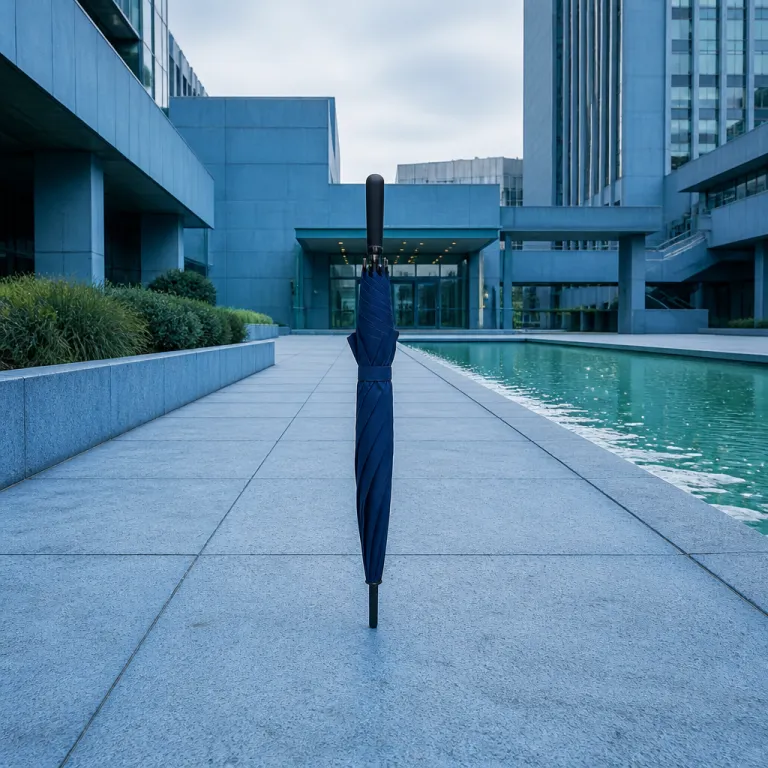
A 30 minute Mériadeck Bordeaux architecture walk from your hotel
Step out from central Bordeaux hotels and within minutes you reach Mériadeck, a raised concrete plateau that feels like a different city. This is the ideal starting point for a focused Mériadeck Bordeaux architecture walk that fits neatly between a morning meeting and an evening dinner along the Garonne River. The contrast between the limestone façades of Bordeaux city and the modernist buildings of the Mériadeck district is immediate and bracing.
Begin your tour at the edge of central Bordeaux, near rue Georges Bonnac, where the first ramps lift you from street level to the urban deck. Here the architecture turns unapologetically modernist, with high rise slabs in raw concrete framing long perspectives and an unexpected view towards the historic bordeaux skyline. The city chose this construction on a slab to separate cars and pedestrians, creating a central platform that still feels like a manifesto.
For business travellers who have already visited Bordeaux several times, this walk offers a different reading of the city. Instead of wine châteaux, you get emblematic buildings that explain how Bordeaux in France tried to reinvent itself as an administrative capital. Booking a luxury hotel through a specialist website in Bordeaux city centre means you can move easily between this Mériadeck tour and the riverfront, switching from eighteenth century pierre to twentieth century béton in a single afternoon.
The story starts earlier though, with Ferdinand Maximilien Mériadec, archevêque de Bordeaux, who initiated development of the area long before the modernist turn. In the twentieth century, mayor Jacques Chaban Delmas pushed a radical urban renewal that demolished thirty hectares of working class housing to create the current Mériadeck district. This is why a Mériadeck Bordeaux architecture walk is not just about buildings but about power, planning and the social cost of a new urban vision.
The raised plaza and administrative heart of modern Bordeaux
From your hotel in central Bordeaux, head towards the Centre Administratif, the administrative centre that anchors the Mériadeck district. The raised plaza here is the purest expression of the city’s modernist ambition, a broad concrete esplanade where pedestrians float above the traffic in a carefully controlled urban landscape. Stand at the edge and you gain a wide view over both the high rise blocks and the softer stone roofs of Bordeaux city beyond.
The architecture is uncompromising ; this is béton brut, glass and steel, with buildings aligned like a disciplined équipe rather than a picturesque ensemble. Some of the emblematic buildings around the plaza belong to major institutions such as the regional council and the Caisse d’Épargne, whose offices form part of a cluster of buildings Caisse that define the skyline. For a business traveller used to corporate districts in Paris or London, the scale feels familiar yet the atmosphere is distinctly south west France.
Look closely at the way the slab is organised and you see the logic of separation between cars and people, a central principle of post war planning. Service roads and parking disappear below while the tour route for your Mériadeck Bordeaux architecture walk stays entirely on the upper level, linking offices, housing and shopping galleries. This is where the district reveals itself as both efficient and strangely detached from the surrounding city.
Luxury travellers choosing a premium hotel through a curated website often focus on the Golden Triangle, yet Mériadeck is only a short detour. From the raised plaza you are less than ten minutes on foot from some of the finest luxury hotels in Bordeaux city centre, which are mapped in detail in this guide to refined stays in the heart of France’s wine capital. That proximity makes it easy to schedule a quick tour Bordeaux side trip through Mériadeck between conference sessions or client lunches.
Bibliothèque Mériadeck, Hôtel de Région and the architecture that works
Continue your Mériadeck Bordeaux architecture walk towards the Bibliothèque Mériadeck, a sweeping complex designed by Roger Salier that softens the district’s harder lines. The library’s curves and glazed surfaces catch the light differently from the surrounding concrete, offering a more generous view onto the raised gardens and the city beyond. It is one of the few buildings here that locals mention with uncomplicated affection.
Across the plaza stands the Hôtel de Région Nouvelle Aquitaine, another key stop on this tour of emblematic buildings. Its architecture is more measured than flamboyant, but the way it addresses both the slab and the streets below shows a mature understanding of the urban context. For travellers interested in how a French region presents its political power, this building is as instructive as any château on the Garonne River.
From this point, look back towards central Bordeaux and you see the full tension between the Mériadeck district and the UNESCO listed core. On one side, eighteenth century pierre façades and carefully restored avenues ; on the other, modernist high rise silhouettes and exposed concrete walkways. Walking this line is the most efficient way to understand why the city still debates what should be preserved, rehabilitated or quietly forgotten.
To deepen that contrast, many travellers pair this loop with a separate walk through the classical centre, following a route such as this reading of Bordeaux’s eighteenth century streets. Moving between the Garonne quays, the Triangle d’Or and the Mériadeck slab in a single day turns your stay into a layered architectural seminar. It is a reminder that Bordeaux city is not a museum but a place where different eras still argue in concrete and stone.
Shopping galleries, leisure spaces and how locals really use Mériadeck
Drop down a level from the administrative plateau and you enter the Mériadeck shopping galleries, a network of passages that feel frozen in a particular decade. The architecture is pure period piece, with low ceilings, patterned tiles and long internal vistas that make this part of the Mériadeck Bordeaux architecture walk feel almost cinematic. For hotel guests used to polished luxury malls, the contrast is sharp yet oddly compelling.
Locals use these galleries in a very pragmatic way, treating them as a central convenience hub rather than an aesthetic statement. There are around sixty five boutiques, a cinema, gyms such as the SkyClub and even a bowling alley that keeps the district alive after office hours. This mix of discount shopping and everyday services shows how a modernist district designed for administrators has adapted to the daily life of Bordeaux city.
For the business leisure traveller, this is where Mériadeck becomes practical rather than theoretical. You can step out from a high end hotel in central Bordeaux, walk ten minutes to the slab, then pick up a last minute shirt, squeeze in a workout or meet a colleague for an unpretentious lunch. The architecture may be controversial, but the urban functions are surprisingly useful during a packed work trip.
Some visitors arrive expecting a French Guggenheim museum moment and leave puzzled, because Mériadeck offers no single spectacular icon. Instead, the district is a collage of mid scale buildings, service passages and raised walkways that only make sense when you walk them slowly. That is precisely why a carefully planned Mériadeck Bordeaux architecture walk earns its place alongside vineyard tours and riverfront promenades.
Reading power, memory and where to stay around Mériadeck
Every step of this Mériadeck Bordeaux architecture walk is also a lesson in how cities rewrite themselves. The demolition of thirty hectares of housing in the twentieth century was justified as a way to modernise Bordeaux and improve living conditions, yet the raised slab also erased a working class memory. When you cross from the soft pierre of the old town to the hard concrete of the Mériadeck district, you feel that rupture under your feet.
The official narrative is clear : “Pourquoi Mériadeck a-t-il été rénové ? Pour moderniser Bordeaux et assainir un quartier insalubre.” That sentence, still echoed in municipal documents, frames the project as hygienic progress rather than social displacement. For a visiting executive used to corporate transformation plans, the parallel with urban restructuring is uncomfortably direct.
Choosing where to stay becomes part of this reading of the city, especially when you use a specialist website that curates luxury and premium hotels in Bordeaux. Properties around place Gambetta or the Triangle d’Or place you within a short walk of both the Mériadeck slab and the Garonne River quays, allowing you to move between business meetings, architecture walks and wine bars with minimal transit time. It is a location strategy as much as a lifestyle choice.
Between meetings, many travellers now trade a classic tasting room for a glass at one of the natural wine bars mapped in this guide to the natural wine side of Bordeaux. Pairing that with a late afternoon loop across the Mériadeck district gives your stay a balance between heritage, experimentation and the everyday city. In the end, what this quarter explains is not thread count, but texture.
FAQ
Why should a business traveller walk through Mériadeck rather than stay by the river?
Mériadeck offers a concentrated lesson in how Bordeaux used modernist architecture and concrete planning to reinvent itself as an administrative capital. The district sits only a short walk from central Bordeaux hotels, so you can explore it in thirty minutes between meetings without sacrificing time on the Garonne River quays. Walking the slab gives context to the polished historic core you see later in the evening.
Is the Mériadeck area safe and practical for evening walks from my hotel?
The Mériadeck district is primarily an office and administrative zone, so its raised plazas can feel quiet after office hours but remain generally calm. Most luxury and premium hotels used by business travellers are located just outside the slab, in livelier streets of Bordeaux city that connect quickly to the district. For a first visit, many guests prefer to schedule their Mériadeck Bordeaux architecture walk in daylight, then return to the riverfront or Triangle d’Or for dinner.
How long does a typical Mériadeck Bordeaux architecture walk take?
A focused loop that includes the Centre Administratif, Bibliothèque Mériadeck, Hôtel de Région and the shopping galleries can be completed comfortably in about thirty minutes. Allow forty five minutes if you like to stop for photos or to study specific buildings in more detail. The route is compact and mostly flat, making it easy to fit between conference sessions or client appointments.
Which hotels are best located for combining Mériadeck with historic Bordeaux?
Hotels around place Gambetta, the Triangle d’Or and the western edge of central Bordeaux offer the most efficient access to both Mériadeck and the UNESCO listed riverfront. From these addresses you can reach the slab in under ten minutes on foot while still being close to the Garonne River and major landmarks. Using a curated booking website focused on luxury hotels in Bordeaux helps you identify properties that balance business needs with architectural curiosity.
What else can I combine with a Mériadeck walk during a short stay?
Many travellers pair a Mériadeck Bordeaux architecture walk with a classical circuit through place de la Bourse and the Triangle d’Or to compare eighteenth century pierre with twentieth century concrete. Others add a tasting at a central wine bar or a visit to a contemporary art space to keep the focus on modern culture. The key is to use your hotel’s central location to move easily between these very different faces of Bordeaux city.