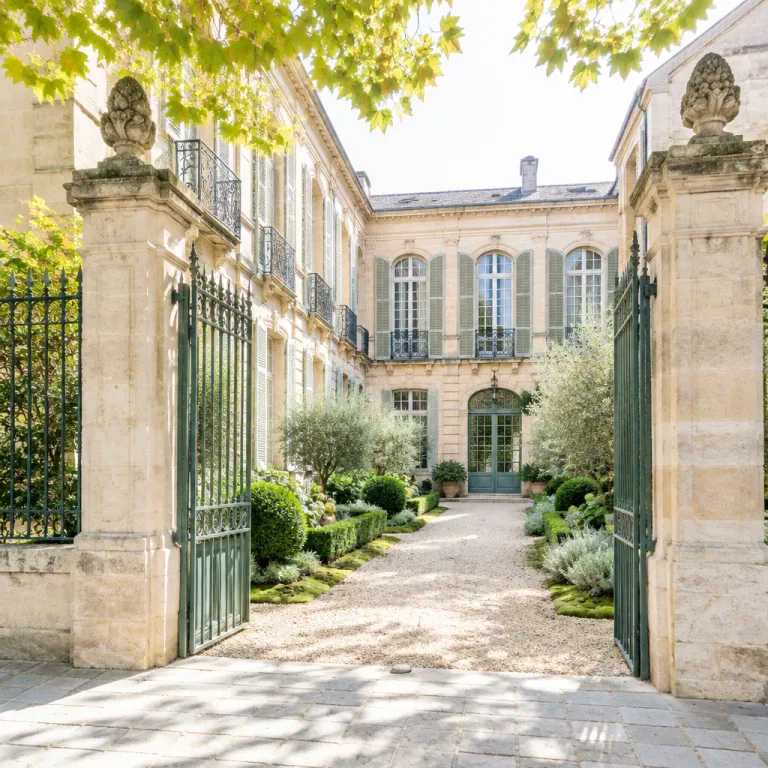
Planning a stay around Bordeaux heritage days architecture hotels
Book your hotel in Bordeaux around European Heritage Days and the city changes. For one long day and often a second, doors that usually stay bolted will open and the most secret historic building becomes part of your itinerary. Time your travel for this weekend and you step into a private stage set rather than a standard city break.
The event, known locally as Journées Européennes du Patrimoine, turns the whole city center into a living museum. During these heritage days, private hôtels particuliers, chambers of commerce and religious institutions in Bordeaux Métropole offer rare guided access to rooms that usually remain off limits. For travelers who care about history culture and architecture, this is the moment when bordeaux heritage days architecture hotels become more than a place to sleep.
Think of it as a curated tour of power and taste across several century layers. One guided tour might lead you through an early century staircase designed for a royal visit, while the next visit takes you into a contemporary art filled salon overlooking the Garonne. The contrast between public façades and private interiors is the real experience here.
Luxury hotels in France understand that their guests want more than a standard tour. Many concierge teams quietly assemble lists of the most interesting heritage site options and the most popular tours, then secure timed entries before they fill. If you are serious about this weekend, tell your hotel early and let them work their contacts.
Because the event is free, demand is intense and the most popular historic buildings reach capacity quickly. Some visits require advance registration on the Bordeaux Métropole platform, while others operate on a first come basis and reward early risers. Treat your heritage days schedule like a tasting menu rather than a buffet and you will see more, with less waiting.
Where to stay: heritage hotels as architecture lessons
In Bordeaux, the right hotel is part of the architectural story. Many luxury hotels occupy former hôtel des Fermes, merchant mansions or judicial buildings that once shaped the city’s economic life. When you choose carefully, your room key becomes a pass into a private chapter of Bordeaux history culture.
Several high end hotels sit within the UNESCO listed 18th century ensemble that defines the city center. Their limestone façades align with the grand urban plan commissioned under Louis XIV and his successors, yet their interiors now mix period woodwork with contemporary art and discreet technology. Staying here during heritage days means you sleep inside the very urban fabric that European Heritage Days are designed to celebrate.
Some properties go further and participate directly in the programme. On this special day, management will open private salons, staff only corridors or small archives that trace the building’s transformation from private residence to hotel, often via a stint as a bank or civic office. A short guided tour with the concierge or a local historian can turn a simple stay into a layered experience.
If you want refined stays in the heart of the wine capital, study the options in the historic city center carefully. Resources such as specialist guides to luxury hotels in Bordeaux city center help you compare addresses by architecture, not just by spa size. Look for properties that highlight their status as a classified historic building and that offer in house tours or talks during the heritage weekend.
Location matters when your day is built around tightly timed visits. A hotel near Place de la Bourse or the Grand Théâtre lets you walk to most major heritage site openings, from the Palais de la Bourse to discreet hôtels particuliers in the Triangle d’Or. That proximity reduces your need for airport transfers or taxis once you arrive and keeps the focus on walking the city at street level.
Inside Bordeaux’s private world: routes through hidden architecture
Heritage days are when Bordeaux’s closed doors finally blink open. The best way to approach them is to design self guided tours that link several sites by theme, rather than chasing every popular address across the map. Think in terms of stories, not checklists.
One powerful route follows the riverfront from the Saint Jean district towards the classical quays. Start near Gare Saint Jean, where early century warehouses and railway buildings speak of industrial ambition, then move north to the Place de la Bourse and its mirrored square. Along the way, look for special openings of customs houses, maritime chambers and the occasional private wine cellar that will open only for this day.
A second route focuses on power and commerce in the city center. Here, the bordeaux heritage days architecture hotels narrative runs through the Palais de Justice, the historic chambers of commerce and the grand hôtels particuliers of the Triangle d’Or, many of which host guided tours only during Journées du Patrimoine. Step through their gates and you move from busy shopping streets into courtyards that feel almost monastic.
Cultural travelers with a taste for contemporary art should not ignore the newer layers of the city. The Bassins des Lumières, the CAPC Musée d’Art Contemporain and the Chartrons galleries often align special programming with the heritage weekend, creating a dialogue between historic stone and projected light. For a deeper look at this side of the city, specialist resources such as guides to Bordeaux’s contemporary art circuit are invaluable.
Whichever routes you choose, alternate grand gestures with intimate spaces. Pair a monumental civic site with a small parish church dedicated to a local saint, or a vast trading hall with a narrow townhouse that once belonged to a négociant in Bordeaux wine. The rhythm of wide squares and tight staircases is what makes these tours feel like a true guided experience rather than a classroom lecture.
Beyond the city: Saint Emilion, Frugès and the wider heritage landscape
European Heritage Days in Bordeaux do not stop at the city limits. The wider Bordeaux Métropole and nearby wine country join the programme, offering access to landscapes and villages that usually keep a lower profile. For travelers willing to range beyond the tram lines, the rewards are substantial.
Saint Émilion is the obvious first step, a hilltop town where medieval stone meets the geometry of vineyards. During heritage days, some monastic cellars, private cloisters and lesser known châteaux open for a guided tour or a one off tasting, turning a standard wine excursion into a layered cultural visit. Combine a morning in the underground church dedicated to a local saint with an afternoon among the vines and you understand why this site holds UNESCO status.
Closer to Bordeaux, the Cité Frugès in Pessac offers a very different story. Here, early century modernist houses designed by Le Corbusier sometimes participate in the programme, allowing visitors to step inside spaces that once shocked traditionalists and now feel surprisingly domestic. It is a reminder that heritage can mean reinforced concrete as much as carved stone.
Wine estates around Bordeaux often align their own open days with the official calendar. Some properties will open historic building elements such as chartreuses, barrel halls or family chapels that remain closed during standard tours, especially when they can link architecture with tastings of Bordeaux wine. Check whether your hotel concierge can secure places on small group tours that combine vineyard visits with access to private rooms.
Logistics matter when you leave the city center. Ask your hotel to arrange reliable airport transfers or private drivers for day trips, and consider flexible travel insurance that covers changes if weather or strikes disrupt rail services. The goal is to keep your focus on places to visit and experiences to savour, not on timetables and missed connections.
Practical strategies: booking, timing and pairing with the harvest
To make the most of bordeaux heritage days architecture hotels, you need a strategy. Start with your accommodation, then layer in visits, then add wine and food around the edges. Treat the weekend like a limited edition release rather than a last minute deal.
Book your hotel several months ahead, especially if you want a room in a historic building within the UNESCO core. Properties with strong architectural character and easy access to the main heritage site clusters tend to sell out first, particularly among travelers who return every year for this specific event. Once your base is secured, you can build a schedule of guided tours and self guided walks around it.
Most heritage days visits are free, but the most popular tours require advance registration. Watch the Bordeaux Métropole and city tourism office announcements, then reserve as soon as slots open, especially for judicial buildings, private hôtels particuliers and sites linked to the martyrs of the Résistance. Keep one day structured and leave the other more open for spontaneous visits to smaller churches or civic offices that you stumble upon while walking.
This same weekend often coincides with harvest celebrations such as the Ban des Vendanges, when Bordeaux wine culture spills into the streets. The combination of European Heritage Days and harvest rituals creates a dense calendar of parades, tastings and concerts that can either enrich your experience or overwhelm it. Choose one evening for the crowds and keep another for a quiet dinner in the city center, where you can process the layers of history culture you have just walked through.
For families or groups, consider how the right address shapes your stay. Resources such as guides to what the right accommodation address does for a family trip show how location, room layout and services change the rhythm of your days. In the end, luxury during heritage days is not thread count, but texture.
FAQ
How far in advance should I book a hotel for Bordeaux heritage days ?
For bordeaux heritage days architecture hotels, plan several months ahead. The most characterful hotels in the historic city center tend to fill first, especially those in classified buildings. Early booking also gives your concierge more time to secure places on popular guided tours.
Are European Heritage Days visits in Bordeaux free of charge ?
Most European Heritage Days visits in Bordeaux are free, including many guided tours. Some special events, tastings or small group experiences may charge a modest fee, particularly at wine estates. Always check whether advance registration is required, as popular sites can reach capacity quickly.
Which areas are best to stay in for easy access to heritage sites ?
The UNESCO listed city center is the most practical base for heritage days. Areas around the Triangle d’Or, the Grand Théâtre and Place de la Bourse place you within walking distance of many major sites. Staying here also reduces your reliance on taxis or public transport between visits.
Can I combine a visit to Saint Émilion with Bordeaux heritage days ?
Yes, many travelers pair a Bordeaux weekend with a day trip to Saint Émilion during heritage days. The village often opens additional monastic spaces, cellars and small museums for the occasion. Plan transport carefully and allow enough time to explore both the town and its surrounding vineyards.
Do I need travel insurance specifically for this kind of cultural weekend ?
While not mandatory, flexible travel insurance is sensible for any international trip. For a heritage focused weekend, it can protect prepaid hotel stays and transport if disruptions occur. It also offers peace of mind when your schedule includes tightly timed visits and non refundable reservations.